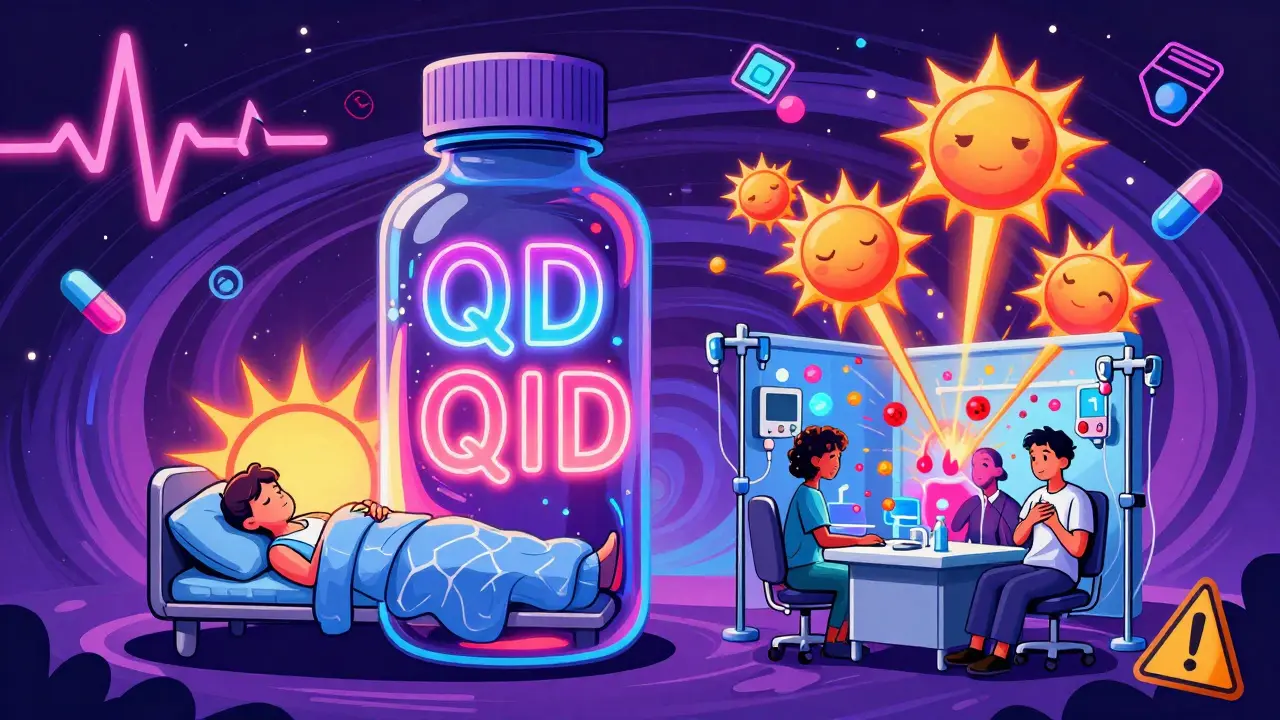
QD and QID are dangerous prescription abbreviations that cause life-threatening dosing errors. Learn how these simple mistakes happen, who’s most at risk, and what’s being done to stop them.
 8
8
Corticosteroid-induced hyperglycemia is a common, dangerous side effect of steroid therapy that often goes undetected. Learn how it develops, who's at risk, and how to monitor and treat it effectively to avoid serious complications.
0
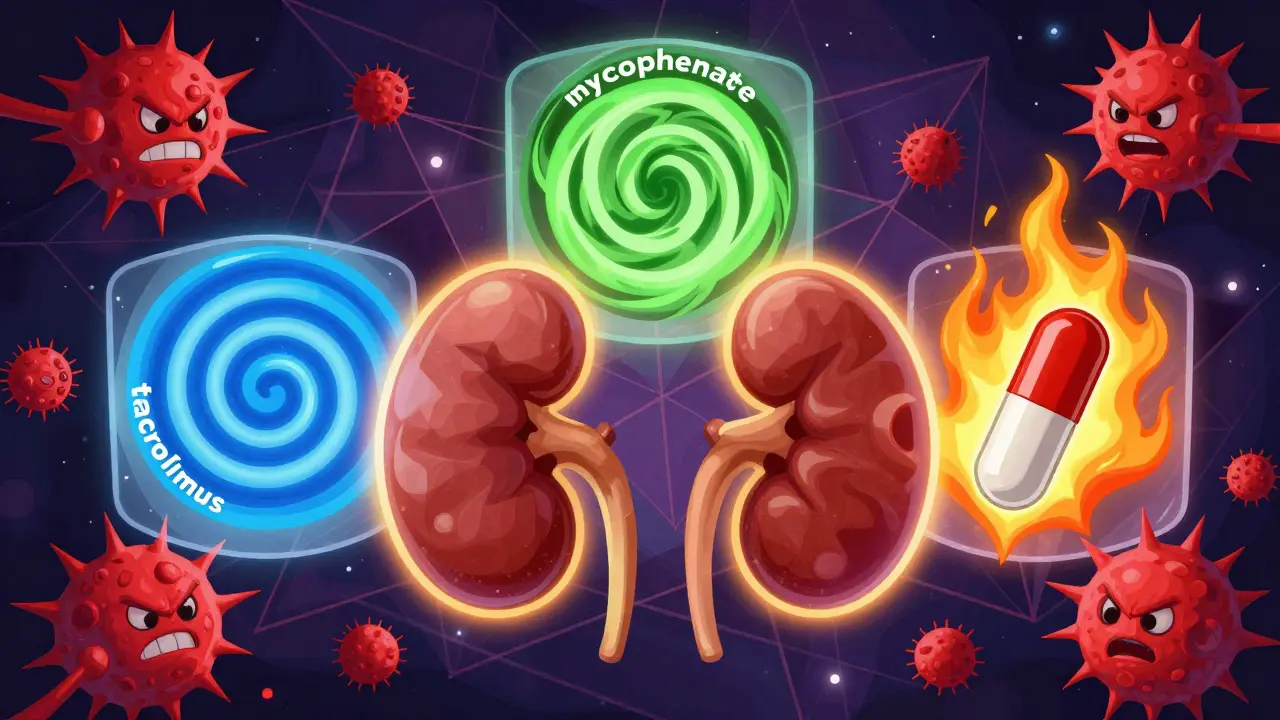
Tacrolimus, mycophenolate, and steroids form the standard immunosuppression regimen after kidney transplant, preventing rejection while balancing serious side effects like diabetes and infection. Learn how they work, why they’re used together, and what’s changing in modern care.
11
Learn how to report a medication error to your provider or the FDA. Step-by-step guidance on gathering details, speaking up, and using official channels to prevent future mistakes and protect others.
15
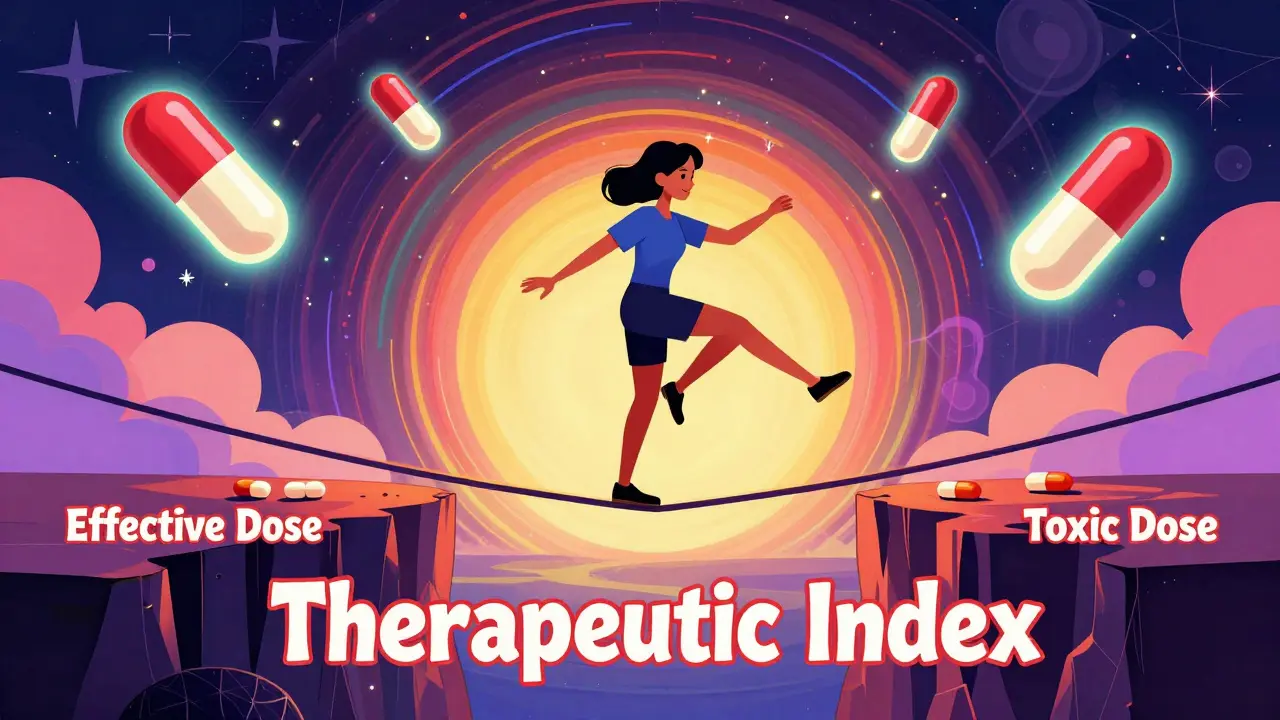
The FDA requires stricter bioequivalence standards for Narrow Therapeutic Index (NTI) drugs like warfarin and phenytoin, using tighter 90-111% limits and replicate studies to ensure safety. These rules prevent dangerous fluctuations in blood levels that can occur with standard generic substitutions.
11
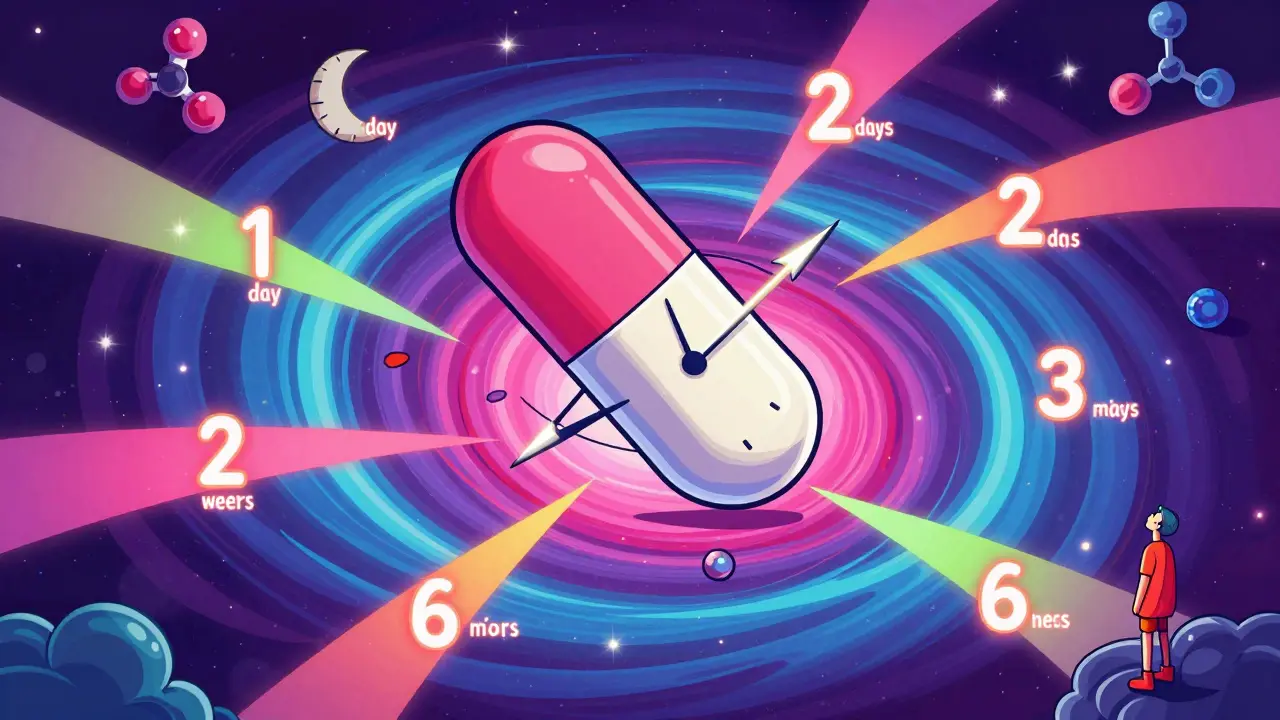
Learn when common medication side effects typically start based on drug class-from antibiotics that hit fast to ACE inhibitors that can cause reactions months later. Use this science-backed timing guide to spot true drug reactions.
11

Goldenseal may reduce metformin absorption, risking poor blood sugar control in type 2 diabetes. Research shows this interaction is dose-dependent and affects intestinal transporters, not liver enzymes. Always consult your doctor before combining herbal supplements with diabetes medication.
9
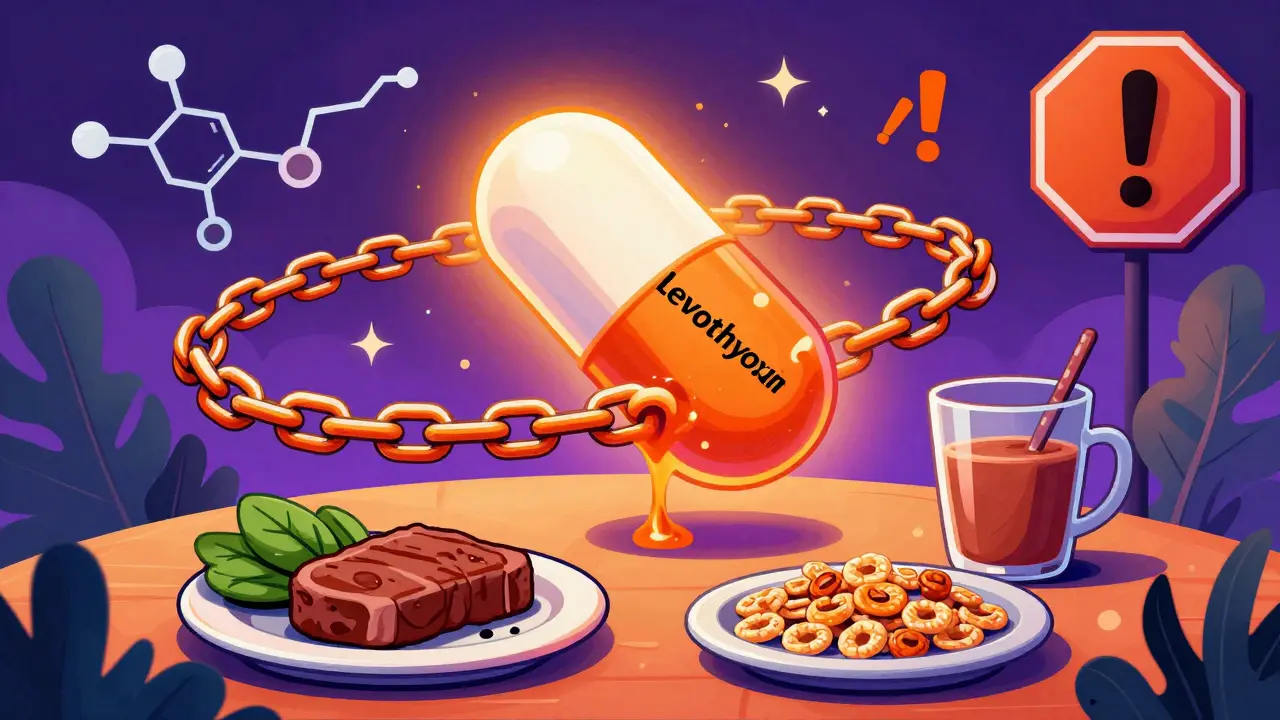
Learn how to time iron-rich meals and thyroid medication to avoid dangerous interactions that can block absorption and worsen hypothyroid symptoms. Practical tips, expert guidelines, and real-world solutions.
15
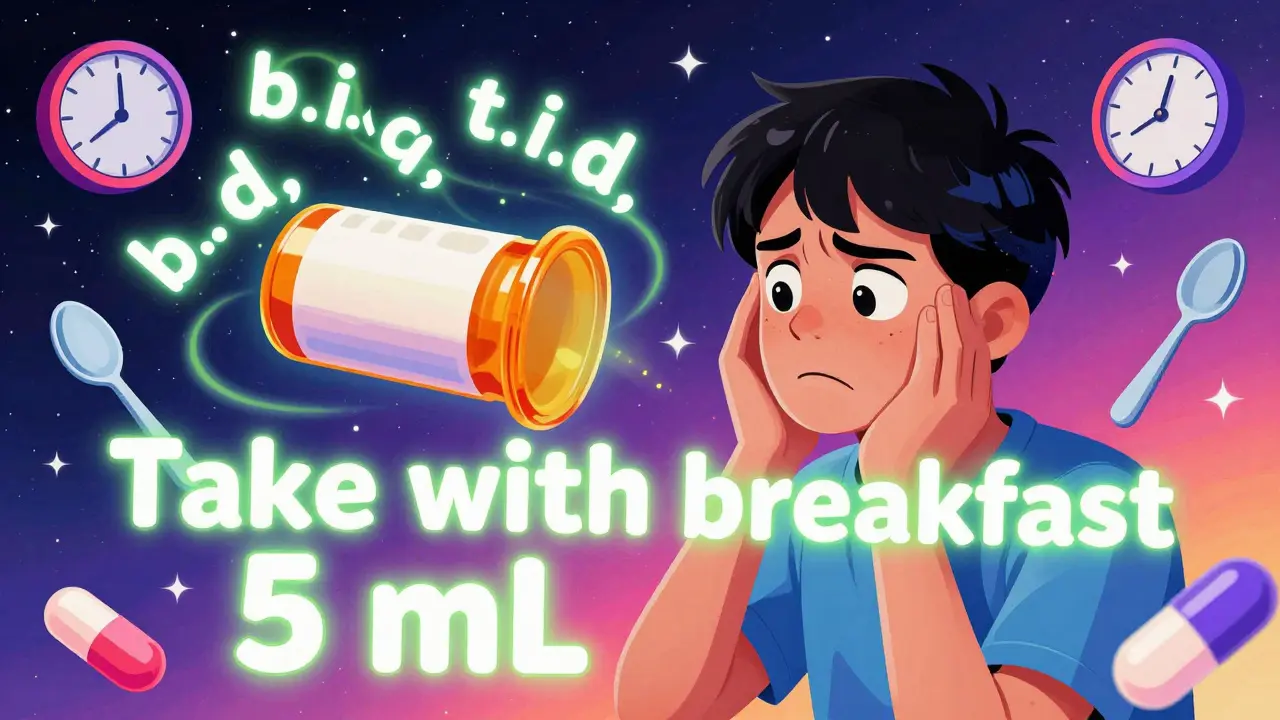
Learn how to read your prescription label to avoid dangerous mistakes. Understand what "twice daily" really means, why mL matters more than teaspoons, and how to spot unclear instructions that could harm your health.
11
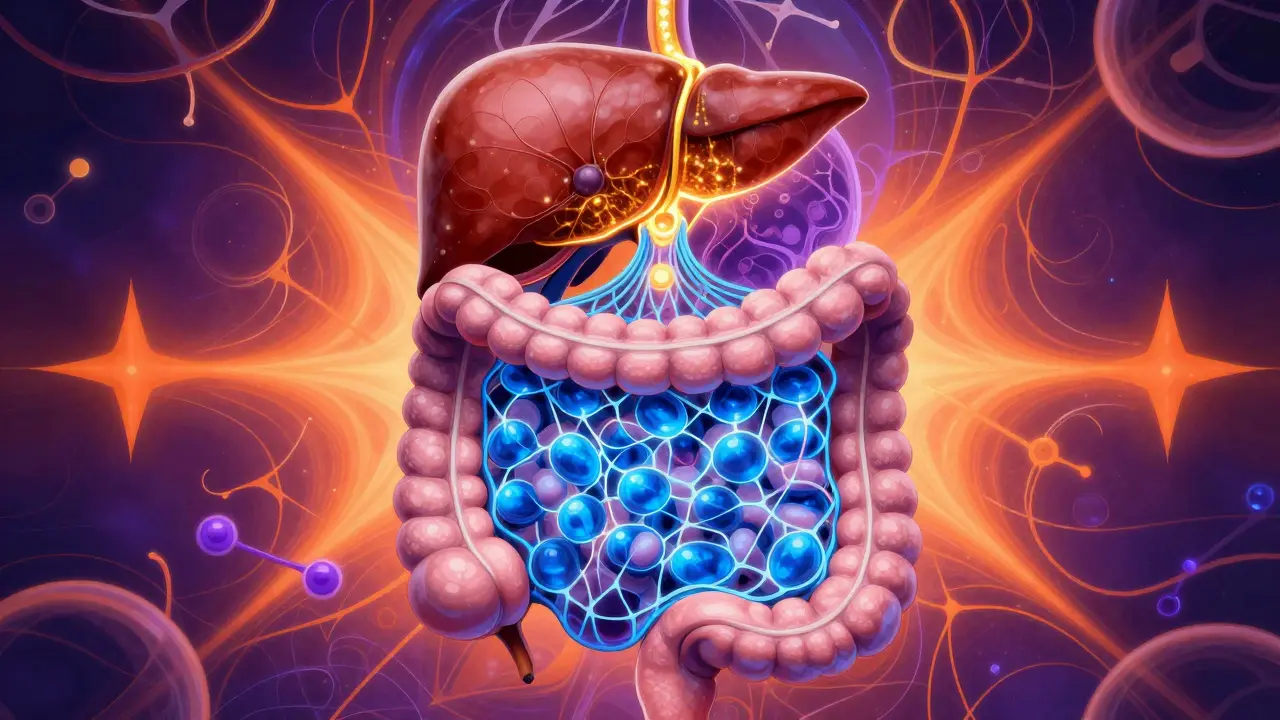
Bile acid sequestrants like colesevelam help manage diabetes and cholesterol but have side effects and drug interactions. Learn about common issues, safe usage tips, and how they compare to other diabetes treatments.
11