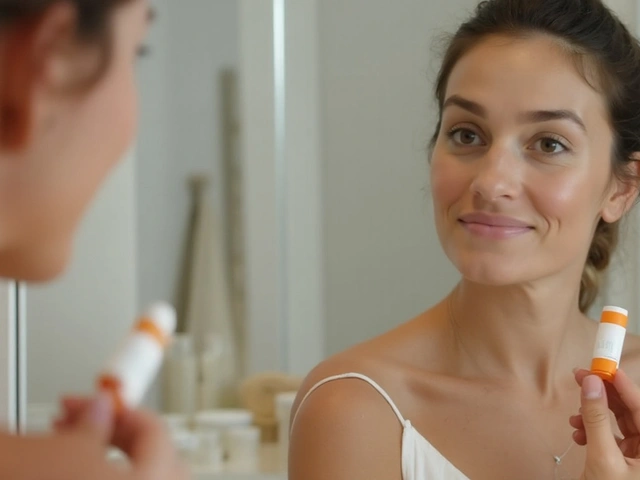
When your skin burns, rashes, or peels more easily than others’ in the sun, you might be dealing with sun sensitivity, a reaction where the skin becomes overly responsive to ultraviolet light, often triggered by medications or health conditions. Also known as photosensitivity, it’s not just a bad tan—it’s your body reacting to light in a way that can cause real harm. This isn’t rare. Many common drugs, from antibiotics to blood pressure meds, can make your skin more vulnerable to UV rays. You might not even realize your medication is the culprit until you get a painful burn after a short walk outside.
Some drugs, like sulfonamides, a class of antibiotics known to trigger severe skin reactions under sunlight, can displace bilirubin in newborns and also cause sunburn-like rashes in adults. Others, like certain diuretics, NSAIDs, and even some acne treatments, act like invisible magnifying glasses for sunlight. Even if you’ve taken a drug for years without issue, your body can suddenly react—especially if you’ve started a new medication, changed your dose, or spent more time outdoors. It’s not about being outside too long; it’s about what’s in your system.
People with autoimmune diseases or those on immunosuppressants like azathioprine or mycophenolate, drugs that weaken the immune system to treat conditions like lupus or after transplants, often report worse sun sensitivity. Their skin doesn’t repair UV damage as well, and reactions can be more severe. The same goes for older adults on multiple medications—each pill adds up. Even something as simple as a daily ibuprofen or a common antibiotic can push you over the edge.
What you can do? Start by checking the side effects of every new prescription. If it says "may cause photosensitivity," treat it like a warning label. Wear broad-spectrum SPF 30+ every day—even when it’s cloudy. Cover up with wide-brimmed hats and UV-blocking sunglasses. Avoid the sun between 10 a.m. and 4 p.m. when UV rays are strongest. And if you notice a rash, blistering, or unusual redness after sun exposure, stop using the drug and call your doctor. Don’t wait for it to get worse.
You’ll find real stories and science-backed advice in the posts below—from how certain medications make your skin react to sunlight, to what to do when you’re stuck between needing a drug and protecting your skin. Whether you’re managing a chronic condition, taking antibiotics, or just wondering why your face burns after a quick errand, these articles give you the tools to stay safe without giving up your meds.
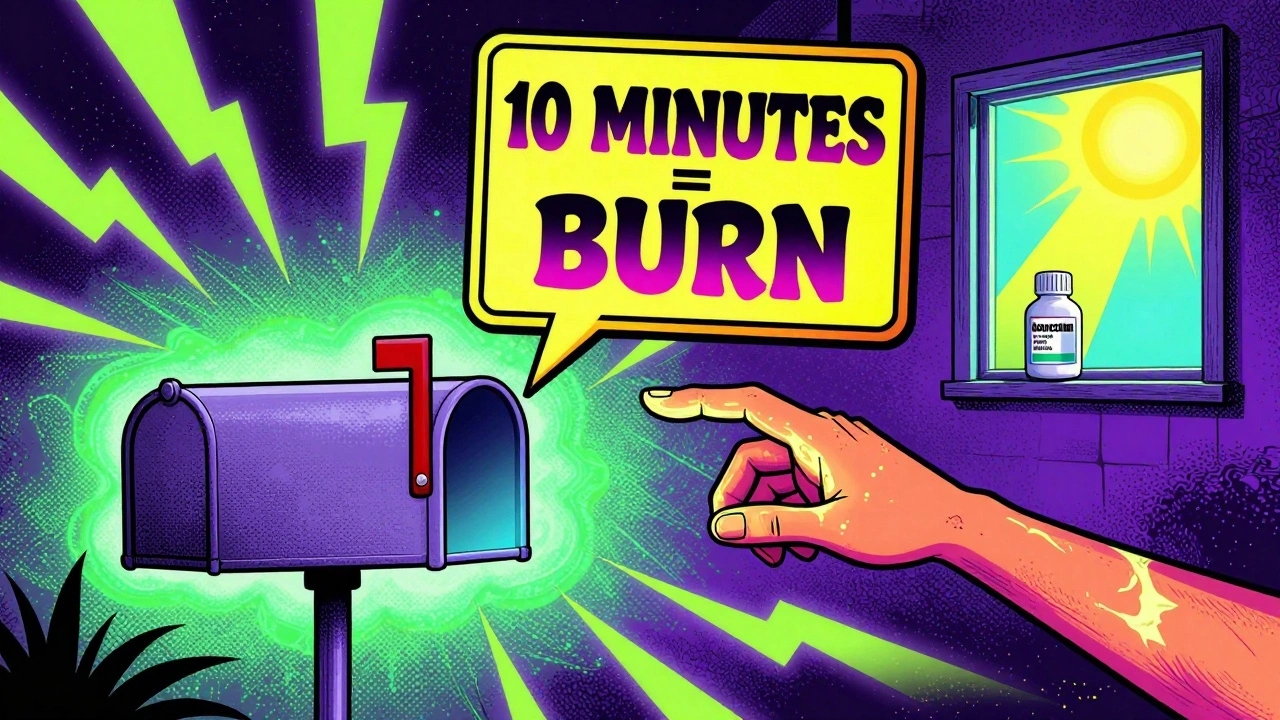
Learn how to prevent painful sun reactions if you have photosensitivity. Discover the right SPF, UPF clothing, window films, and daily habits that actually work-backed by dermatology experts.
 12
12