When doctors need to find cancer early or see if treatment is working, they turn to oncologic imaging, medical scans used specifically to detect, monitor, and evaluate cancer. Also known as cancer imaging, it’s not just about taking pictures—it’s about understanding what those pictures mean for your health. This isn’t science fiction. It’s daily practice in hospitals and clinics, where a single MRI or PET scan can change a treatment plan, avoid unnecessary surgery, or give someone hope when results are good.
Oncologic imaging includes tools like CT scans, cross-sectional X-rays that show tumor size and location in detail, MRI, powerful magnetic images that reveal soft tissue changes better than X-rays, and PET scans, tracers that light up active cancer cells based on their metabolism. These aren’t interchangeable. Each has strengths: CT for speed and bone detail, MRI for brain or prostate tumors, PET for spotting spread across the body. Doctors combine them when needed, like using a CT scan to pinpoint where a PET scan shows abnormal activity.
It’s not just about finding tumors. Oncologic imaging helps track how fast a tumor shrinks after chemo, checks if a new lump is cancer or scar tissue, and guides biopsies so doctors hit the right spot. It’s why some patients avoid surgery—because imaging shows the tumor is gone. It’s why others get a different drug—because the scan shows the cancer is still growing. This isn’t guesswork. It’s data-driven care.
Behind every scan is a story. Someone worried about a lump. Someone whose cancer came back after years. Someone who finally got a clear answer after months of tests. The posts below cover related topics you might not connect at first—like how medication timing affects imaging results, why a full drug list matters before a scan, or how supplements can interfere with cancer treatments. You’ll find real advice on managing side effects, understanding test results, and asking the right questions so you’re not left guessing.
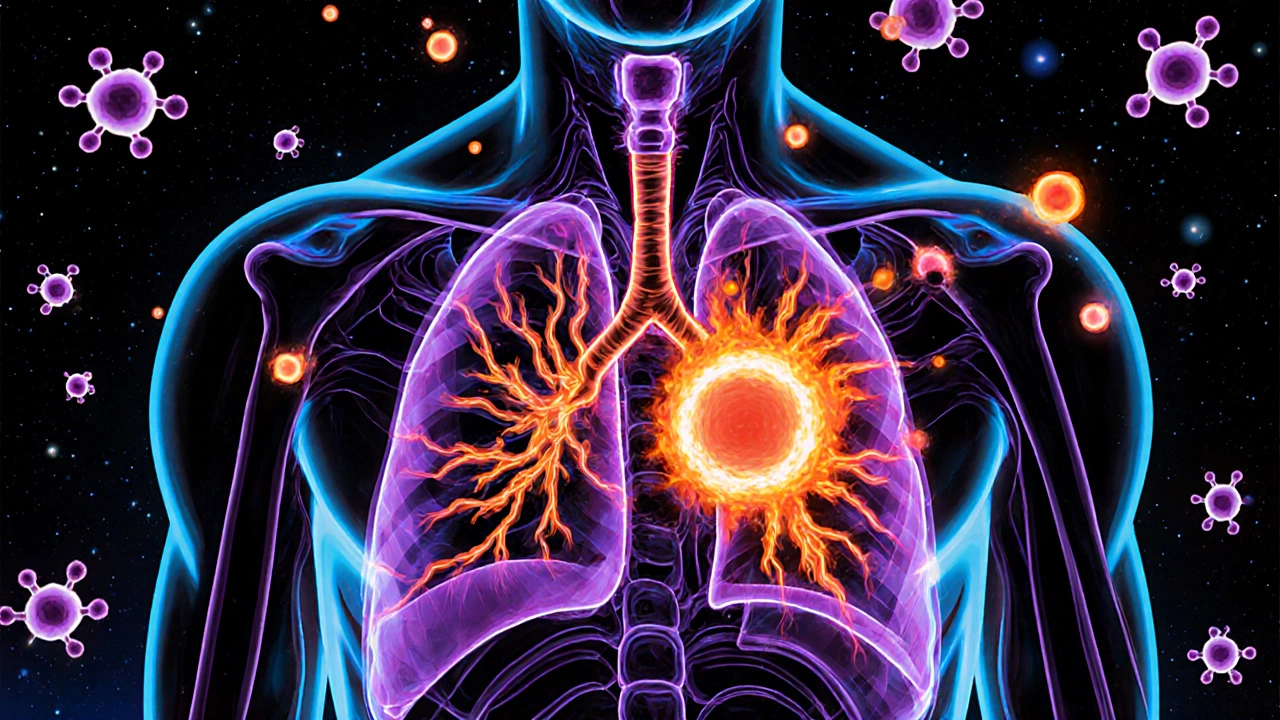
PET-CT, MRI, and PET-MRI each play unique roles in cancer staging. Learn how they differ in accuracy, radiation, cost, and use cases-so you understand which scan is right for your situation.
 18
18