

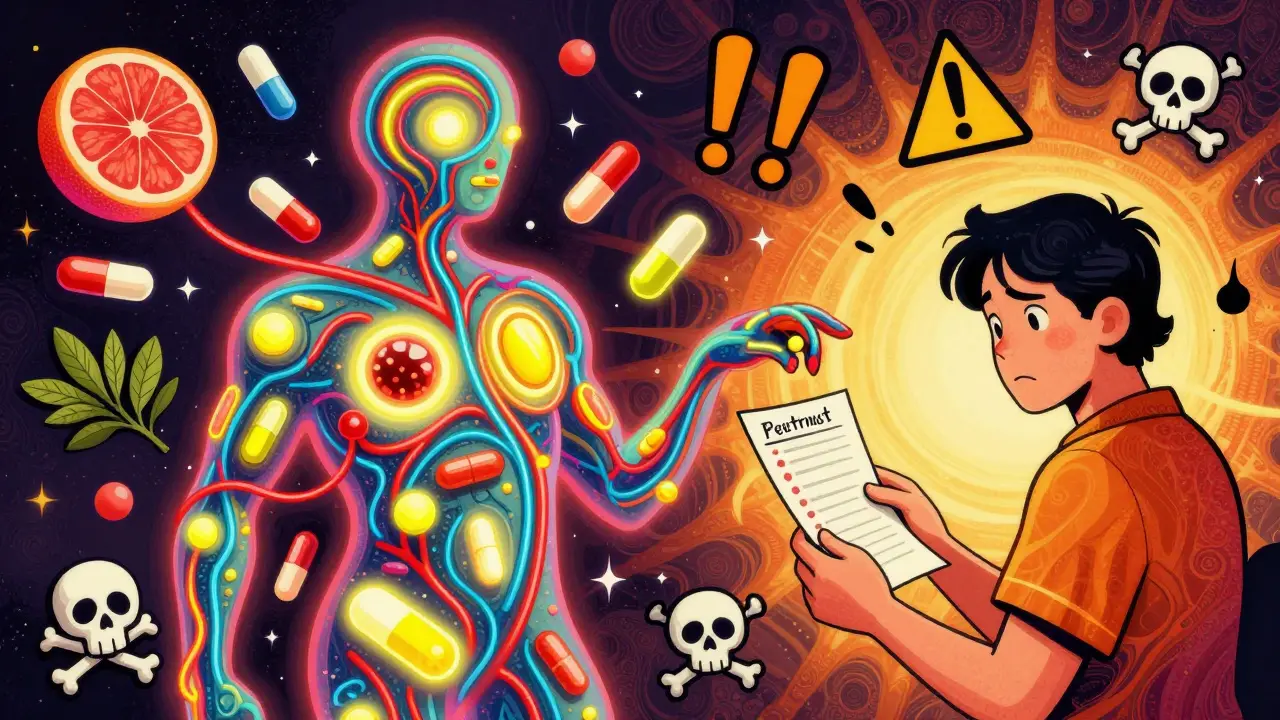
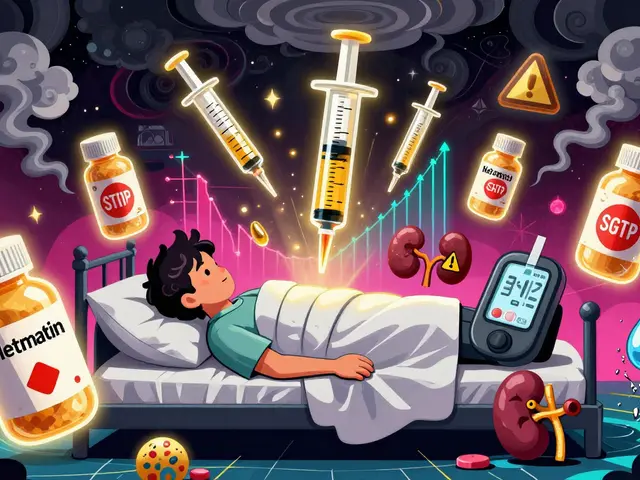
Starting a new medication can feel like a step forward in your health-but it can also open the door to unexpected and dangerous side effects if other drugs, supplements, or even foods interfere. Drug interactions aren’t rare. They happen in 3 to 5% of all outpatient prescriptions, and if you’re taking five or more medications, that risk jumps to nearly one in three. The problem isn’t just about mixing pills. It’s about how your body processes them, how they affect each other, and whether you know what to watch for.
What Exactly Is a Drug Interaction?
A drug interaction happens when one substance changes how another works in your body. This can make a medication too strong, too weak, or cause side effects you didn’t expect. There are two main types: pharmacokinetic and pharmacodynamic.Pharmacokinetic interactions affect how your body absorbs, breaks down, or gets rid of a drug. For example, if a drug blocks the enzyme CYP3A4-which handles about half of all medications-it can cause other drugs to build up to dangerous levels. Simvastatin, a common cholesterol pill, becomes risky when taken with amlodipine (a blood pressure med). The safe limit? Only 20 mg of simvastatin per day. With diltiazem or verapamil? Drop it to 10 mg. Go over that, and your risk of muscle damage skyrockets.
Pharmacodynamic interactions are about what the drugs do together. Take blood thinners like warfarin and amiodarone (used for irregular heartbeat). Together, they can make you bleed more easily. Doctors often cut the warfarin dose by 30-50% right away. Or consider opioids and promethazine. Mix them, and your breathing can slow dangerously-up to 300% more risk. Even something as simple as St. John’s Wort, a popular supplement for mood, can slash the effectiveness of cyclosporine (a transplant drug) by up to 60%.
Who’s at the Highest Risk?
You don’t have to be elderly to be at risk-but age increases the odds. Over 44% of adults 65 and older take five or more medications. That’s not just common-it’s the new normal. And with each added drug, the chance of a bad interaction climbs. People with kidney or liver problems are even more vulnerable. Their bodies can’t clear drugs the way a healthy person can, so even normal doses can become toxic.It’s not just prescription meds. Over-the-counter painkillers like ibuprofen, herbal supplements like garlic or ginkgo, and even grapefruit juice can interfere. Grapefruit blocks the same enzyme that breaks down statins, calcium channel blockers, and some antidepressants. One glass can turn a safe dose into a dangerous one.
And here’s the hidden danger: most people don’t tell their doctor about supplements. A survey by the American Heart Association found that 68% of patients never mention them. St. John’s Wort, echinacea, kava, and even vitamin E are all common culprits that silently disrupt medication levels.
What Should You Do When Starting a New Drug?
You don’t need to be a doctor to protect yourself. Here’s what actually works:- Make a complete list of everything you take. Not just prescriptions. Include vitamins, supplements, herbal teas, OTC pain relievers, and even recreational substances like alcohol or marijuana. Write down the dose and how often you take it.
- Bring that list to every appointment. Don’t rely on memory. Show it to your doctor, pharmacist, and nurse. If you use multiple pharmacies, ask each one to update your record. Many don’t share data-so you have to be the link.
- Ask the pharmacist. Pharmacists are trained to spot interactions. Studies show they catch 40-60% more potential problems than doctors alone. Ask: “Could this interact with anything else I’m taking?” Don’t assume it’s your doctor’s job to know everything.
- Know the red flags. If you start a new drug and feel unusually tired, dizzy, confused, have unexplained bruising, muscle pain, or an irregular heartbeat, don’t wait. Call your provider. These aren’t just “side effects”-they could be signs of a dangerous interaction.
- Check timing. Some drugs need to be taken on an empty stomach. That means one hour before or two hours after eating-not “don’t eat for two hours.” Confusion here can reduce absorption by half. Read the label carefully. If it’s unclear, ask.
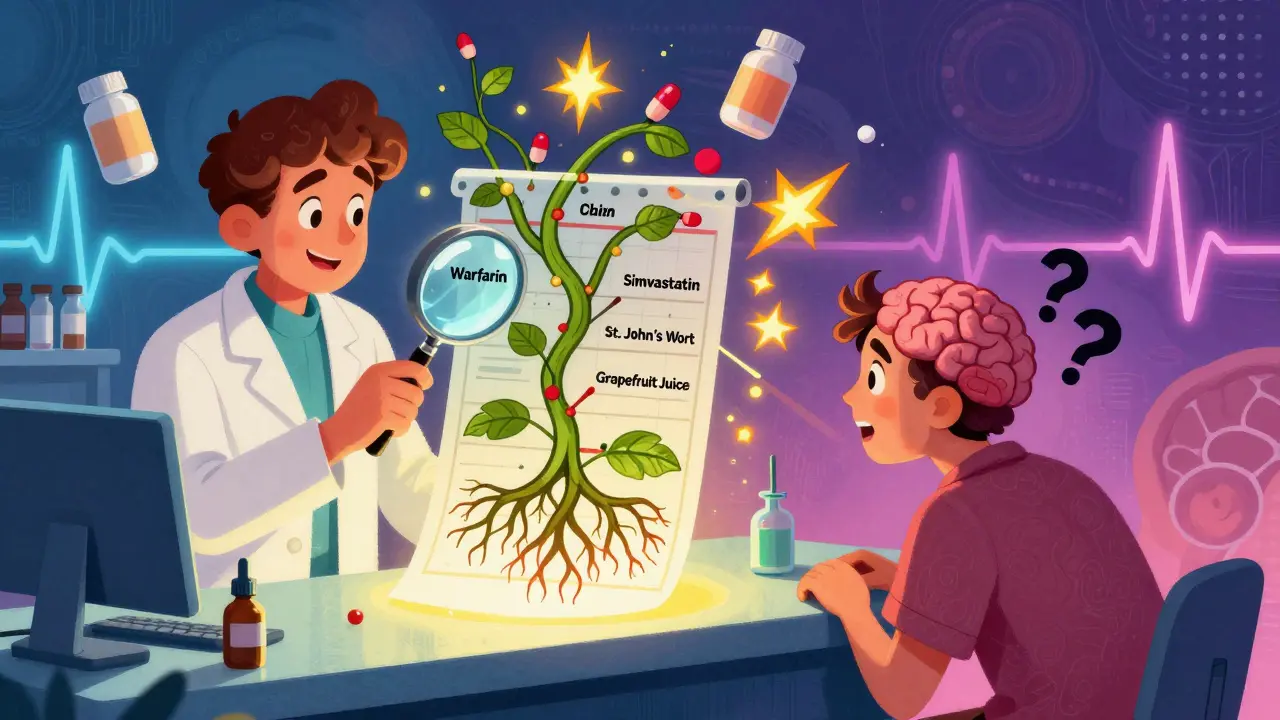
What About Electronic Alerts?
Your doctor’s computer probably warns them about interactions. But here’s the problem: most of those alerts are ignored. A 2023 study found physicians override 90-95% of drug interaction pop-ups. Why? Too many false alarms. If your system flags every minor interaction, you stop paying attention.But high-severity alerts-those that say “contraindicated” or “50% dose reduction required”-get followed 75% of the time. That’s why it’s critical to understand the difference between a “moderate” and a “major” interaction. If your doctor says, “This combo is okay,” ask: “Is this a major interaction? What’s the risk if we don’t adjust?”
When Should You Get Tested?
Some interactions need monitoring. If you’re starting a drug like amiodarone with warfarin, your blood needs to be checked within 3-5 days. Then weekly for a month. Why? Because warfarin levels can shift unpredictably. The same goes for lithium, digoxin, and some seizure meds. Your doctor should tell you if testing is needed. If they don’t, ask.For people on HIV medications, the risk is even higher. Over 140 high-risk interactions are documented in antiretroviral therapies, and 72% involve CYP3A4. That’s why specialists recommend a full medication review within 72 hours of any new prescription.
Can You Avoid Some Interactions Altogether?
Yes. Sometimes, the best solution is to stop something-or switch to something safer.For example, if you’re on simvastatin and need a calcium channel blocker, switching to pravastatin or rosuvastatin removes the interaction risk entirely. If you’re on a blood thinner and need pain relief, acetaminophen is safer than ibuprofen. If you’re taking an SSRI and your doctor suggests tramadol, they need to know-this combo can trigger serotonin syndrome, a life-threatening condition.
Non-drug options can also help. For mild high blood pressure, weight loss and reducing salt can cut the need for two medications. For chronic pain, physical therapy or acupuncture might reduce reliance on opioids. Studies show 12-18% of interactions can be avoided just by choosing non-drug treatments.
What Happens After You Start?
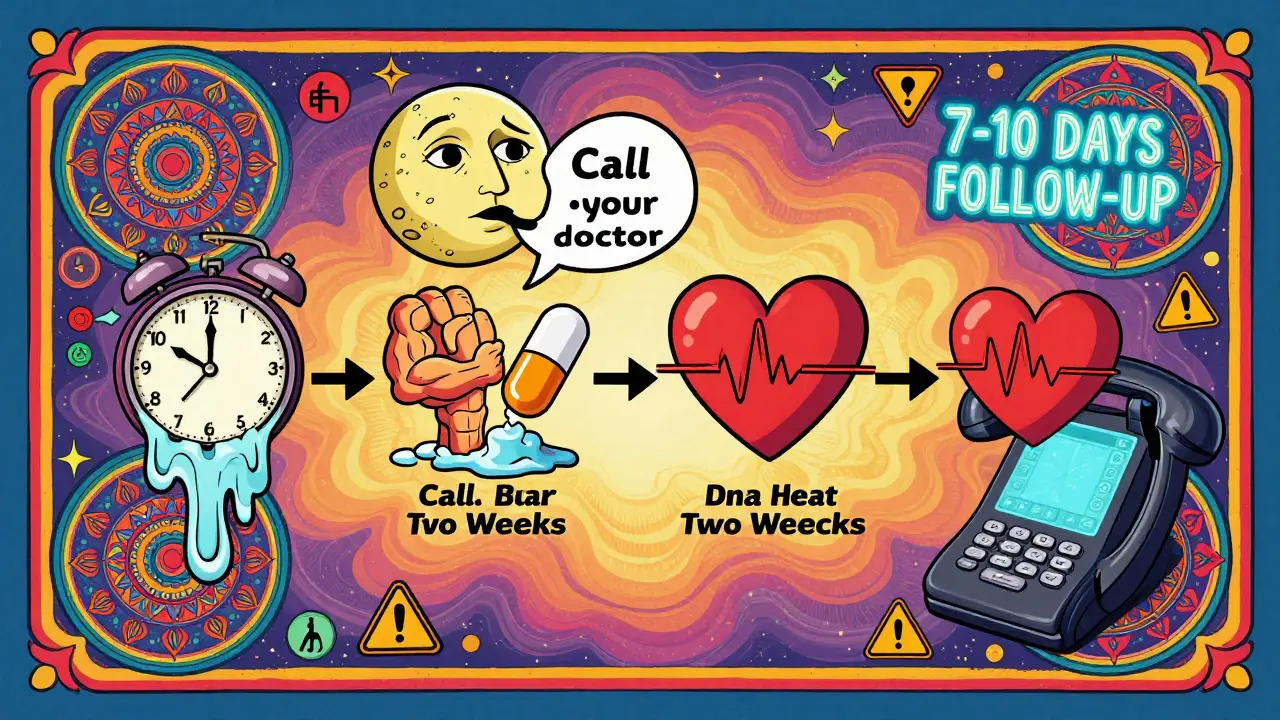
Don’t assume it’s over once you get the prescription. The first two weeks are the most critical. That’s when your body adjusts, and interactions often show up.Keep a simple journal: note the date you started the new drug, what you took with it, and any changes in how you feel. Did you sleep worse? Feel more anxious? Have stomach cramps? Write it down. Bring it to your next appointment.
Also, schedule a follow-up with your pharmacist or doctor within 7-10 days. Many clinics now have medication therapy management programs. At Mayo Clinic, these programs cut hospital readmissions by 22% just by catching interactions early.
What’s Changing in 2026?
The rules are getting stricter. In May 2024, a new global guideline called ICH M12 came into effect. It requires drug makers to test all new medications for interactions before approval. That means better data-but it also means more warnings will show up on labels.Electronic health records are also getting smarter. By 2025, all certified systems in the U.S. must use standardized severity labels: “contraindicated,” “major,” “moderate,” or “minor.” No more vague alerts. You’ll know exactly how risky a combo is.
AI tools like IBM Watson Medication Safety are now being tested in hospitals. In a 2023 trial, they predicted severe interactions with 92.4% accuracy. That’s not science fiction-it’s coming to your doctor’s office soon.
Final Reminder: You’re the Most Important Part of This
No system is perfect. Algorithms miss things. Doctors get busy. Pharmacists can’t read your mind. But you know what you take, how you feel, and when something’s off.Be the person who asks: “Is this safe with my other meds?” “Should I get blood work?” “Is there a different option?”
Medication safety isn’t just about pills. It’s about communication, awareness, and asking the right questions before it’s too late.


Pankaj Singh
January 14, 2026 AT 05:28This post is pure gold. But let’s be real-most doctors don’t give a shit. They scribble a script, hand you a pamphlet, and move on. Meanwhile, your liver is screaming. I’ve seen people on simvastatin + grapefruit juice for months. No one checks. No one cares. It’s not negligence-it’s systemic laziness. You think the EHR alert system fixes this? Nah. It’s a joke. 95% of alerts are ignored because they’re useless noise. The real solution? Stop treating patients like data points.
Robin Williams
January 15, 2026 AT 05:44bro i just started lisinopril and i was like ‘wait do i still drink my morning grapefruit smoothie?’ and then i remembered i dont even like grapefruit lmao. but seriously-this stuff is wild. i had no idea st. john’s wort could tank my antidepressants. i thought it was just ‘natural’ so it was safe. wow. thanks for the wake up call. maybe i’ll actually read the damn label this time.
Scottie Baker
January 16, 2026 AT 18:21my mom died because of this. not directly, but close enough. she was on warfarin, started amiodarone, got a minor bleed in her brain-doctors said ‘it’s just aging.’ nope. it was a fucking interaction they didn’t check. she was 72. took five meds. didn’t tell them about her turmeric capsules. they didn’t ask. now i carry a laminated list of everything i take in my wallet. if you’re not doing that, you’re playing russian roulette with your organs.
Anny Kaettano
January 18, 2026 AT 06:24As a clinical pharmacist with 18 years in MTM (Medication Therapy Management), I can confirm: the #1 preventable cause of hospitalizations in polypharmacy patients is unrecognized drug-drug or drug-supplement interactions. CYP3A4 is the silent killer. And yes-St. John’s Wort, garlic, and even green tea can modulate enzyme activity. The key isn’t just awareness-it’s documentation. Every patient I’ve seen who brought a *written* list of all substances (including OTC, herbal, and recreational) had a 70% reduction in adverse events. You are your own best advocate. Bring the list. Ask the questions. Don’t assume it’s someone else’s job.
Kimberly Mitchell
January 20, 2026 AT 06:08Why are we even having this conversation? If you can’t read a prescription label or understand ‘take on empty stomach,’ maybe you shouldn’t be managing your own meds. I’ve seen people take antibiotics with milk, mix NSAIDs with alcohol, and think ‘natural’ means ‘safe.’ This isn’t a public health crisis-it’s a personal responsibility crisis. Stop outsourcing your brain to doctors. Learn. Or don’t. But don’t blame the system when you’re the one who didn’t bother.
Angel Molano
January 21, 2026 AT 01:54Stop taking supplements. That’s it. Problem solved.
Vinaypriy Wane
January 22, 2026 AT 04:15I’ve been managing my dad’s meds since he had the stroke-five prescriptions, three supplements, two OTC painkillers, and a daily glass of grapefruit juice (he loves it). We’ve had three ER trips in two years because someone didn’t check the interactions. Now, I print out the interaction report from Medscape every time a new script comes in. I bring it to the pharmacy. I print the label. I highlight the warnings. I know it’s obsessive. But I’d rather be labeled ‘annoying’ than bury another parent because no one bothered to connect the dots.
Diana Campos Ortiz
January 23, 2026 AT 06:56i just started sertraline and i was gonna keep taking my magnesium gummies… but now i’m scared. i didn’t know they could interact. i’m gonna call my pharmacist tomorrow. thank you for writing this. i feel less alone. i’m not dumb, i just didn’t know. this info saved me from a mistake.
Jesse Ibarra
January 25, 2026 AT 03:12Let me be blunt: if you’re on more than three meds and you’re not seeing a clinical pharmacist, you’re being exploited. The system wants you dependent, not safe. Pharma makes billions off these interactions-they don’t want you to know how to avoid them. AI tools? Sure, they’re coming. But they’re built by the same corporations that profit from your confusion. Don’t trust the machine. Trust your instincts. And stop letting doctors play god with your biochemistry.
laura Drever
January 27, 2026 AT 01:48grapefruit juice is bad for statins yeah but like… its not that big a deal. people panic over nothing. also why is everyone so obsessed with supplements? its just vitamins. i take melatonin and its fine. your body knows what to do. stop overthinking.
Randall Little
January 28, 2026 AT 00:15Interesting. So the U.S. is finally standardizing interaction labels by 2025. Meanwhile, in India, pharmacists still hand out antibiotics with no warning labels. And in the UK? They’ll give you warfarin without checking your diet. This isn’t a medical issue-it’s a cultural one. We treat pills like candy. We don’t teach pharmacology in high school. We don’t train people to be critical consumers of healthcare. We just hand out scripts and hope for the best. Maybe the real solution isn’t better alerts… it’s better education.
jefferson fernandes
January 28, 2026 AT 04:53Listen. I’m not a doctor. I’m not a pharmacist. But I’ve been on 8 different meds in the last 3 years. Here’s what works: I use a pill organizer with time slots. I take a photo of every new script with the dosage written on it. I text that photo to my sister and my best friend. I set a reminder to call my pharmacist 7 days after starting anything new. I’ve caught two dangerous interactions this way. One was a combo of metformin and a new OTC cold med-caused lactic acidosis risk. No one told me. I did. You can too. It’s not hard. It’s just not sexy. But it saves lives.
Acacia Hendrix
January 29, 2026 AT 02:42While the pharmacokinetic mechanisms outlined are broadly accurate, the post lacks critical nuance regarding CYP2D6 polymorphisms and their impact on SSRI-tramadol interactions, which are far more complex than a binary ‘risk’ designation. Furthermore, the assertion that ‘12-18% of interactions can be avoided via non-pharmacological interventions’ is statistically misleading-it conflates correlation with causation without controlling for confounders like socioeconomic status or baseline health literacy. This is pop-science masquerading as clinical guidance. For true evidence-based practice, one must consult the 2023 FDA Drug Interaction Guidance Document, not Reddit posts.