When you step outside, your skin is exposed to UV radiation, invisible rays from the sun that cause skin aging, DNA damage, and increase cancer risk. Also known as ultraviolet light, it doesn’t need to be hot or sunny to hurt you—clouds block little of it. Sunscreen, a topical product designed to absorb or reflect UV rays before they penetrate the skin isn’t just for beach days. It’s a daily shield, especially if you’re outside for more than 10 minutes. Studies show people who use sunscreen regularly cut their risk of melanoma by nearly half over 10 years.
Not all sunscreens are the same. SPF, the number that tells you how long it takes for UVB rays to redden your skin compared to no protection matters, but only up to 50. SPF 30 blocks about 97% of UVB rays; SPF 50 blocks 98%. Going higher gives almost no extra benefit. What you really need is broad-spectrum coverage—that means it protects against both UVB (burning rays) and UVA (aging rays). Look for ingredients like zinc oxide or avobenzone. And don’t forget: sunscreen wears off. Sweat, water, and rubbing remove it. Reapply every two hours, or right after swimming or towel-drying.
People with darker skin still need sunscreen. While melanin gives some natural protection, it doesn’t stop UV damage. In fact, skin cancer in people of color is often caught later because it’s assumed they’re not at risk. That’s deadly. Sun exposure, the root cause of most preventable skin damage doesn’t discriminate. It’s also linked to eye conditions like pterygium, a growth on the eye caused by long-term UV exposure, which shows up in surfers, farmers, and anyone who spends time outdoors without eye protection.
Some medications make your skin more sensitive to the sun—antibiotics, diuretics, even some acne treatments. If you’re on a new drug, check if it increases sun sensitivity. You might need extra protection, even on cloudy days. And sunscreen isn’t the only tool. Hats, sunglasses, and shade matter too. Think of sunscreen as part of a system, not a magic bullet.
Below, you’ll find real stories and science-backed tips from people who’ve dealt with sun damage, medication side effects, and skin health. Whether you’re managing a condition that makes you sensitive to light, trying to prevent premature aging, or just tired of burning every summer, these posts give you the clear, no-fluff facts you need to protect yourself—without guesswork.
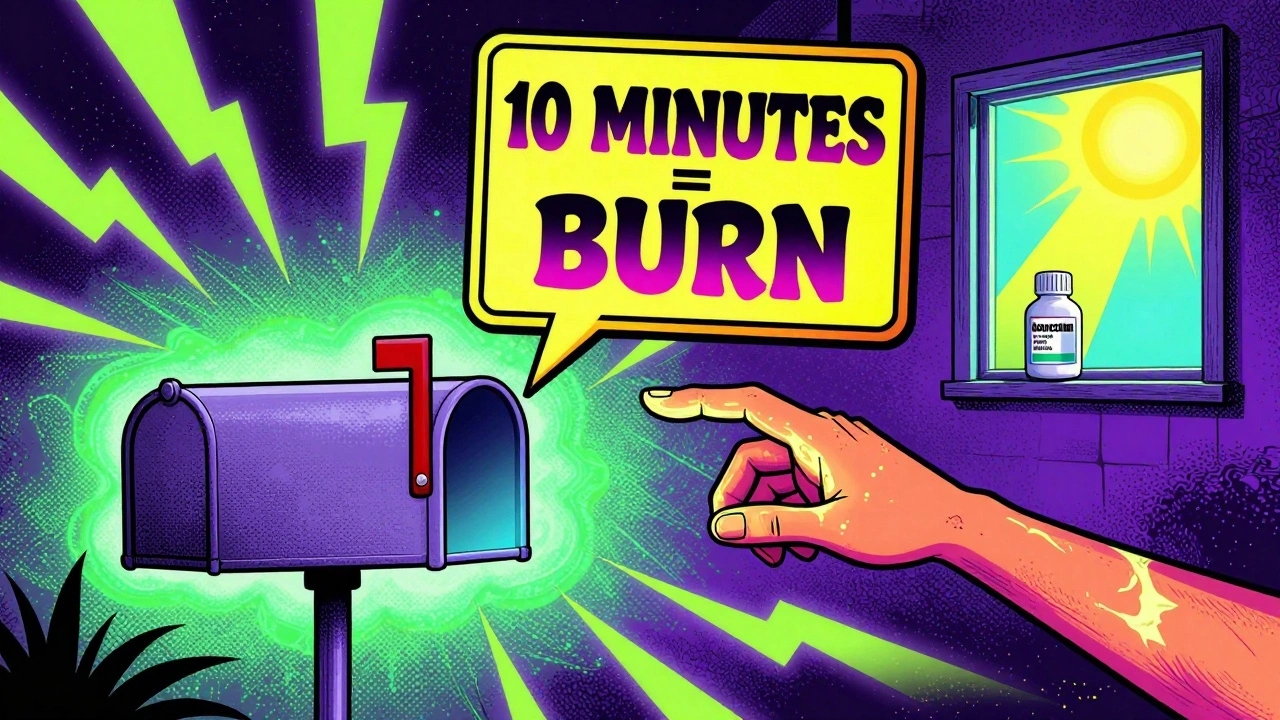
Learn how to prevent painful sun reactions if you have photosensitivity. Discover the right SPF, UPF clothing, window films, and daily habits that actually work-backed by dermatology experts.
 12
12