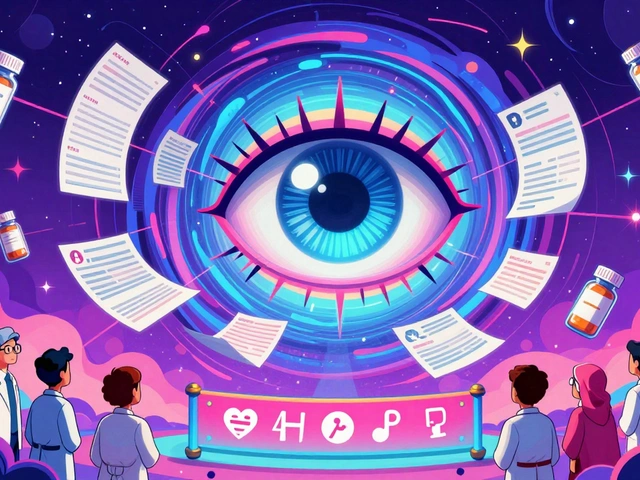
When your skin reacts badly to sunlight—not just getting a normal tan or burn—but turns red, itches, blisters, or peels after minimal sun exposure, you might be dealing with photosensitivity, an abnormal reaction of the skin to ultraviolet (UV) light, often triggered by medications or medical conditions. Also known as sun sensitivity, it’s not just a bad sunburn—it’s your body responding to light in a way it shouldn’t. This isn’t rare. Thousands of people on common drugs like antibiotics, diuretics, or even some acne treatments wake up with rashes they didn’t expect, all because their skin became more reactive to UV rays.
Some drugs cause this by making your skin absorb more UV light, others trigger chemical reactions that damage skin cells. tetracycline antibiotics, a class of antibiotics including doxycycline and minocycline, commonly linked to photosensitivity reactions, are one of the biggest culprits. So are nonsteroidal anti-inflammatory drugs (NSAIDs), over-the-counter pain relievers like ibuprofen and naproxen that can increase sunburn risk. Even some heart medications, antidepressants, and diabetes pills can do it. You won’t feel it right away—it often shows up after days or weeks of regular sun exposure. That’s why people think, "I’ve been outside all summer and never had this problem," until suddenly they do.
It’s not just about staying out of the sun. You need to know which meds you’re on, check labels for warnings, and understand that UV rays still reach you on cloudy days or through windows. A simple hat and broad-spectrum sunscreen won’t always cut it—you might need UPF clothing, seeking shade during peak hours, and even switching meds if the reaction is severe. And if you’re on a long-term drug like a diuretic for high blood pressure, you can’t just stop taking it because of sun exposure. You need to talk to your doctor about alternatives or protective steps.
This collection of posts doesn’t just explain what photosensitivity is—it shows you how it connects to real-world medication use. You’ll find guides on how to report unexpected side effects to the FDA, how to safely switch medications without triggering new reactions, and how to manage drug interactions that make sun sensitivity worse. Whether you’re on antibiotics, blood pressure meds, or even herbal supplements that affect your skin’s response to light, you’ll find practical advice that helps you avoid painful surprises.
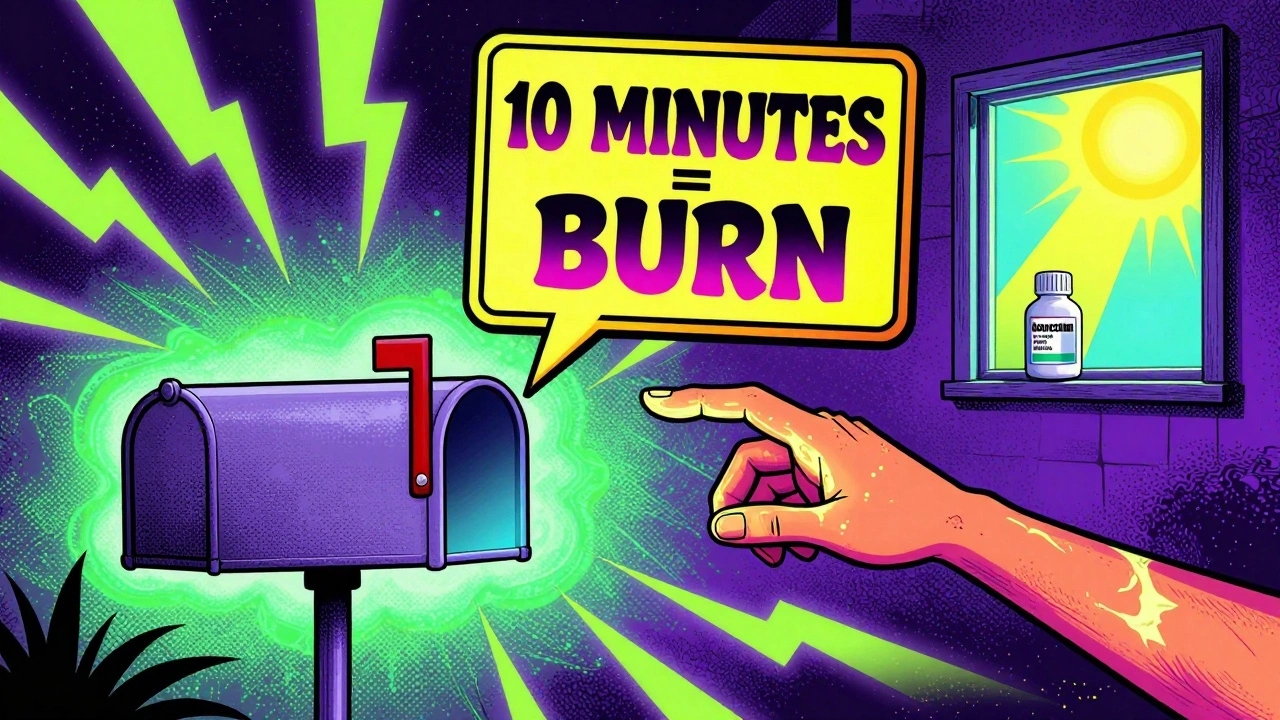
Learn how to prevent painful sun reactions if you have photosensitivity. Discover the right SPF, UPF clothing, window films, and daily habits that actually work-backed by dermatology experts.
 12
12