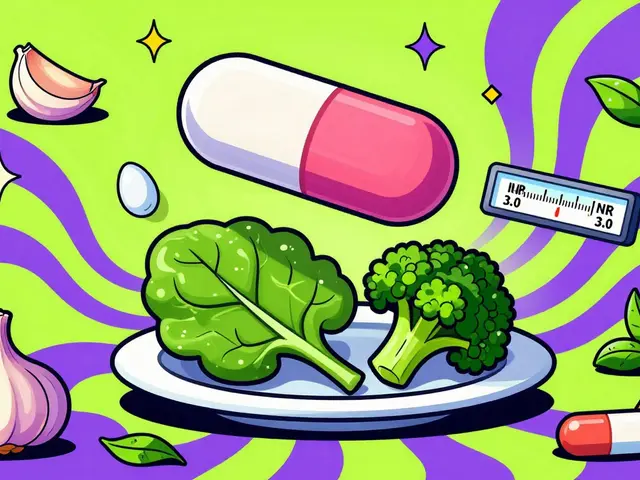
When you hear DOACs, Direct Oral Anticoagulants are a class of modern blood-thinning medications used to prevent dangerous clots. Also known as novel oral anticoagulants, they’ve replaced older drugs like warfarin for millions because they’re easier to use, don’t need constant blood tests, and work more predictably. If you’ve been told you need a blood thinner for atrial fibrillation, deep vein thrombosis, or after a hip replacement, chances are your doctor picked one of these.
DOACs include drugs like apixaban, a common choice for stroke prevention in atrial fibrillation, rivaroxaban, often used after surgery to stop clots from forming in the legs, and dabigatran, a direct thrombin inhibitor that blocks a key step in clot formation. Unlike warfarin, which interacts with vitamin K in food and needs weekly checks, DOACs have fixed doses and fewer dietary restrictions. But they’re not risk-free. Taking them with certain antibiotics, antifungals, or even some herbal supplements can spike your bleeding risk. And if you’re over 75, have kidney problems, or take other meds like NSAIDs, you need to be extra careful.
These drugs are powerful, but they’re not magic. They don’t fix the root cause of your clotting risk—they just lower the chance of a clot forming. That’s why timing matters. Skipping a dose increases your stroke risk. Taking an extra one by accident can lead to serious bleeding. And if you need surgery or have a fall, knowing exactly which DOAC you’re on helps doctors act fast. That’s why keeping a clear medication list, as covered in several posts here, isn’t optional—it’s life-saving.
You’ll find posts here that dig into how DOACs compare to older options, how to avoid dangerous interactions (like with cannabis or fiber supplements), and why some people still end up on warfarin despite DOACs being the new standard. We also cover what to do if you miss a dose, how kidney function affects dosing, and why some patients need to switch from one DOAC to another. These aren’t theory pieces—they’re practical guides written for people managing these drugs every day.

Learn how to prevent dangerous bleeding while taking blood thinners. Understand the risks of warfarin and DOACs, who’s most vulnerable, how to prepare for procedures, and what to do in an emergency.
 14
14