

Ever wonder why some prescription drugs cost hundreds or even thousands of dollars a month - while others with the same active ingredient are under $10? The answer isn’t just about big pharma greed. It’s a tangled web of patents, legal loopholes, and scientific hurdles that keep some drugs locked in high-price territory - long after they should’ve been affordable.
Patents aren’t the whole story
Most people think once a drug’s patent expires, generics rush in. That’s true for many drugs - like Lipitor, which dropped from $120 a pill to under $5 after generics hit the market. But for others, the patent clock runs out, and nothing changes. Why? The real barrier isn’t always the original patent. Companies file dozens of secondary patents - on delivery methods, packaging, dosing schedules, even minor chemical tweaks. These are called patent thickets. They don’t make the drug better. They just delay competition. A 2020 study found that pharmaceutical companies use these tactics to extend market exclusivity by an average of 3.2 years beyond the original patent. For a drug making $2 billion a year, that’s billions in extra profit.Some drugs can’t be copied - not even if they wanted to
Not all drugs are made the same. Some are simple chemicals you can recreate in a lab. Others? Not so much. Take Premarin, a hormone therapy made from pregnant mare’s urine. It contains a mix of 10+ estrogen compounds, many of which aren’t even fully identified. You can’t just isolate one and say, “Here’s the generic.” The FDA requires generics to be identical in active ingredients - but if you don’t know exactly what those ingredients are, you can’t replicate them. That’s why Premarin still has no generic, even after 70 years on the market. Same goes for complex biologics like Humira or Enbrel. These aren’t pills - they’re living molecules made in living cells. Even tiny changes in the manufacturing process can alter how the drug works. That’s why we don’t have “generic” biologics - we have biosimilars, which take years longer and cost millions to develop. The first biosimilar for Humira didn’t reach the U.S. until 2023, even though the patent expired in 2016.Delivery systems are the hidden gatekeepers
You might think: “If the active ingredient is the same, why does the delivery matter?” A lot, actually. Take Advair Diskus, an asthma inhaler. The active ingredients - fluticasone and salmeterol - are simple. But the device? It’s a finely tuned machine. The particle size, the airflow, the way the powder is dispersed - all affect how much drug reaches your lungs. A generic version would need to match this perfectly. The FDA requires extra testing for these complex delivery systems, and many generic manufacturers don’t have the tech or money to do it. Same with Prozac Weekly, a once-a-week antidepressant tablet. It uses a special slow-release coating. Change the coating, and the drug releases too fast or too slow - which could cause side effects or make it useless. That’s why it took over a decade for a generic version to appear.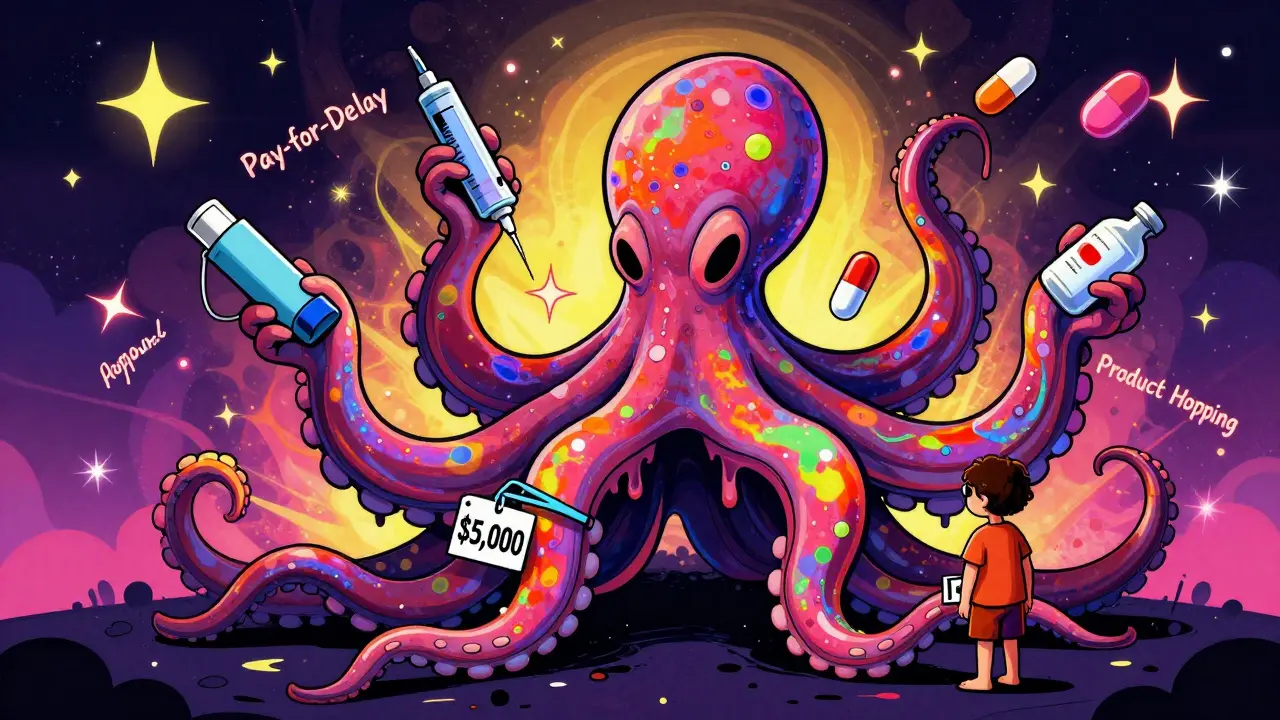
Product hopping: The sneaky reset button
Here’s one of the most controversial tactics: product hopping. Imagine a drug’s patent is about to expire. Instead of letting generics in, the company launches a slightly changed version - say, a new pill shape, a new time-release formula, or even a new delivery method. They get a new patent. Then they stop making the old version. Doctors start prescribing the new one. Patients are forced to switch. The EpiPen is a textbook case. Mylan didn’t just hold a patent on epinephrine. They redesigned the auto-injector multiple times - adding a hidden needle, changing the color, tweaking the trigger. Each change got a new patent. The original patent expired in 2010, but the EpiPen remained the only option for years because the old version was pulled from shelves. It wasn’t innovation. It was a legal trap.Regulatory delays and pay-for-delay deals
Even when a generic company is ready to launch, they hit roadblocks. The FDA can take years to approve complex generics. And sometimes, the brand-name company pays the generic maker to wait. These are called pay-for-delay agreements. The FTC found 297 such deals between 1999 and 2012. One example: a brand-name drug maker paid a generic company $100 million to delay launching a cheaper version for 18 months. That’s $100 million from your pocket - or your insurance plan - straight into the hands of the big pharma company. The CREATES Act of 2019 tried to stop this by forcing brand-name companies to provide samples to generic makers for testing. But enforcement is patchy. Many still find ways to delay.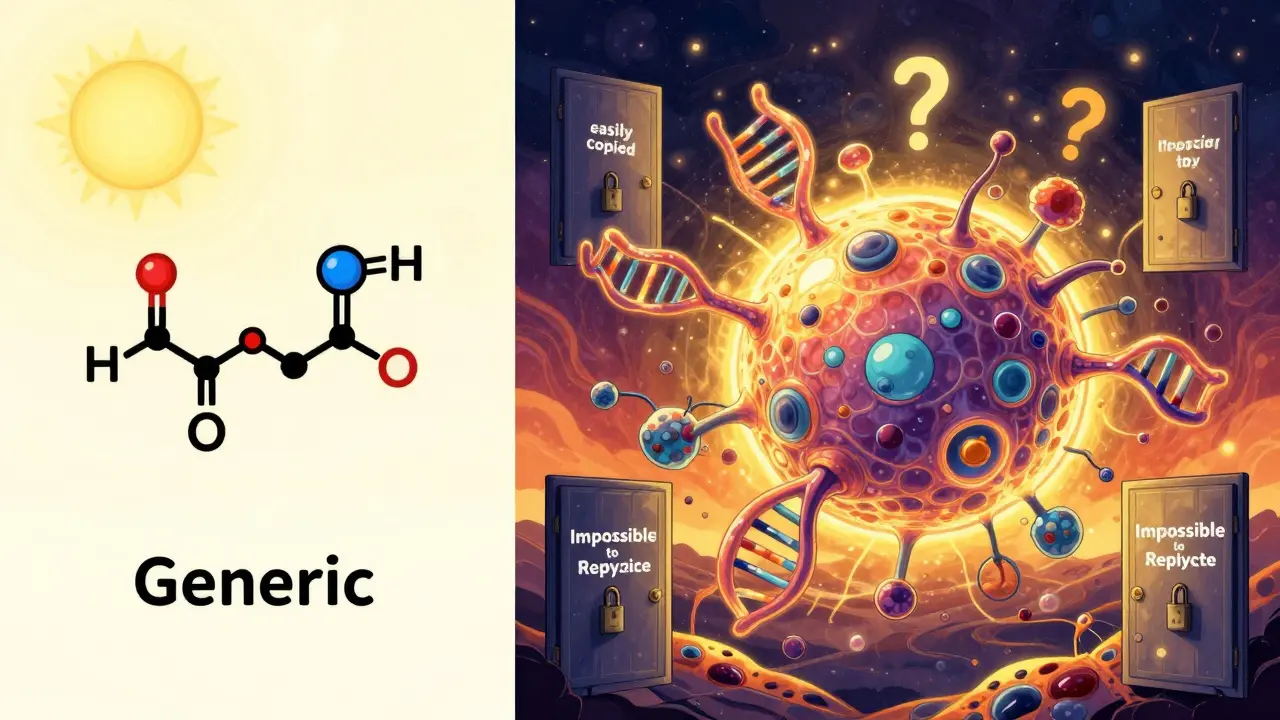
Why some drugs stay expensive - even after patents expire
Let’s look at the numbers. According to GoodRx, brand-name drugs with no generic alternatives cost, on average, 437% more than drugs with generics. Medicare data shows that 22% of patients taking these drugs spend over $5,000 a year out-of-pocket. Compare that to 8% for those on generics. In oncology, 68% of drugs have no generic options. Why? Because cancer drugs are often made with rare chemicals, require sterile labs, and have narrow safety margins. One wrong ingredient, and the drug could kill instead of cure. That’s why generics are rare - not because no one wants to make them, but because the risk and cost are too high.What patients can do
You can’t change the patent system. But you can protect yourself.- Check the FDA’s Orange Book. It lists patents and exclusivity periods for every approved drug. If the patent expired years ago and there’s still no generic, something’s up.
- Ask your pharmacist. They know which drugs have hidden generics or therapeutic alternatives. For example, when Viibryd had no generic, pharmacists successfully switched 68% of patients to sertraline - cheaper and just as effective.
- Use price comparison tools like GoodRx or SingleCare. Sometimes the brand-name drug is cheaper than the generic because of insurance quirks.
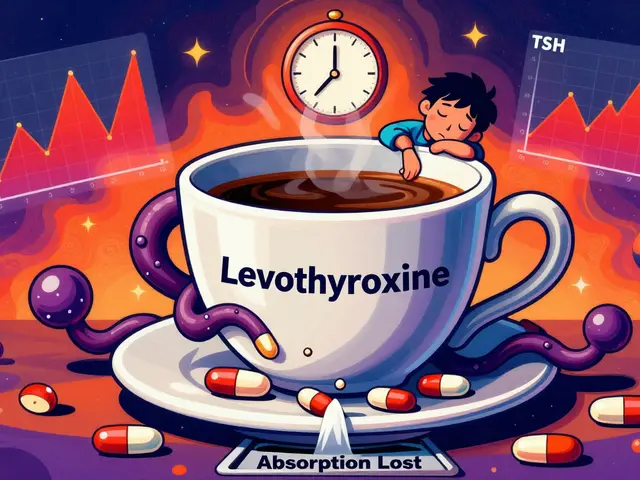
- If you’re on a chronic medication like epilepsy or thyroid meds, don’t assume generics are unsafe. For most people, they work just fine. But if you notice changes - fatigue, mood swings, seizures - talk to your doctor. Some drugs, like warfarin or levothyroxine, need close monitoring.
The future: More generics, but not all
The FDA is speeding up reviews for complex generics. In 2022, approvals for these drugs jumped 27% from the year before. Biosimilars are also growing fast - from 32 approved in 2022 to an expected 75 by 2025. But here’s the hard truth: about 5% of drugs will likely never have true generics. These include ultra-complex biologics, orphan drugs for rare diseases, and medications with impossible-to-replicate delivery systems. Insulin, for example, is still mostly brand-name in 2026 - not because of patents, but because the science hasn’t caught up. The system isn’t broken. It’s working exactly as designed - for the companies that built it. The question is: who’s it working for?Why don’t all brand-name drugs have generic versions even after patents expire?
Not all drugs can be easily copied. Some have complex active ingredients, like biologics made from living cells, or delivery systems like inhalers or extended-release tablets that are hard to replicate. Others are protected by multiple overlapping patents, or the brand company delays generics through legal tactics like pay-for-delay deals or product hopping.
Are generic drugs less effective than brand-name drugs?
For most drugs, generics work just as well. The FDA requires them to have the same active ingredient, strength, and bioequivalence within 80-125% of the brand version. But for drugs with narrow therapeutic windows - like warfarin, levothyroxine, or some epilepsy meds - small differences can matter. Always talk to your doctor before switching.
What is product hopping and how does it keep drugs expensive?
Product hopping is when a drug company makes a minor change - like a new pill shape, time-release formula, or delivery device - right before a patent expires. They then stop selling the old version and push patients to the new one, which gets a new patent. This resets the exclusivity clock and blocks generics. The EpiPen is a famous example.
Can I switch to a different drug if my brand-name medication has no generic?
Yes, often you can. Pharmacists and doctors can suggest therapeutically equivalent alternatives. For example, when Viibryd had no generic, many patients were successfully switched to sertraline - a cheaper, well-studied antidepressant with similar results. Always ask your provider before switching.
How can I find out if a drug has patent protection or exclusivity?
Check the FDA’s Orange Book, which lists all approved drugs, their patents, and exclusivity periods. You can search by drug name. If the patent expired years ago and there’s still no generic, the delay is likely due to legal or technical barriers, not science.
Why are biologics so hard to copy?
Biologics are made from living organisms - not chemicals. They’re large, complex molecules that can’t be replicated exactly like a pill. Even small changes in manufacturing can alter how they work. That’s why we get biosimilars instead of generics - and why they take longer and cost more to develop.
Do pay-for-delay deals still happen today?
Yes, though they’re now illegal under U.S. law. Still, companies use creative workarounds - like licensing deals, settlements, or delaying sample access - to slow down generics. The CREATES Act of 2019 tried to fix this, but enforcement remains inconsistent.
Will more drugs get generics in the next few years?
Yes - especially for common medications and newer biosimilars. The FDA approved 27% more complex generics in 2022 than in 2021. But ultra-complex drugs - like certain cancer meds, rare disease treatments, or insulin formulations - will likely remain brand-only until at least 2030 due to scientific and regulatory challenges.

Juan Reibelo
January 24, 2026 AT 16:13Wow. This is the most comprehensive breakdown I've ever seen on why some drugs stay crazy expensive. I knew patents were a mess, but I had no idea about product hopping and delivery systems being the real gatekeepers. It's not just greed-it's engineered exploitation.
Sawyer Vitela
January 26, 2026 AT 03:32Biologics aren't hard to copy-they're impossible without a billion-dollar lab. Stop pretending generics should cover everything. The FDA's 80-125% bioequivalence rule is a joke for complex drugs.
Tiffany Wagner
January 27, 2026 AT 11:14I switched from brand to generic levothyroxine last year and my TSH went wild. Took three months to stabilize. Not all generics are equal. Doctors don't tell you that.
Amelia Williams
January 27, 2026 AT 12:16Thank you for writing this. I've been paying $600/month for my insulin and I didn't even know why there wasn't a cheaper version. Now I get it. Science, not greed, is the real barrier here. But still... it breaks my heart.
Dolores Rider
January 28, 2026 AT 02:26Big Pharma owns the FDA. They own Congress. They own your doctor. Pay-for-delay? That's just the tip of the iceberg. You think they're not lobbying to keep insulin brand-only? They are. They're laughing all the way to the bank while you skip meals to afford your meds. 😡
Vatsal Patel
January 29, 2026 AT 08:18Ah yes, the classic capitalist symphony: patent thickets, product hopping, and regulatory capture. The real tragedy? We all play along, thinking we're consumers when we're just cattle with credit cards. The system isn't broken-it's perfectly designed to extract. Welcome to the American healthcare circus.
Sharon Biggins
January 31, 2026 AT 06:02Just wanted to say I'm so glad someone finally explained why my asthma inhaler has no generic. I thought I was just bad at finding deals. Turns out it's not me-it's the science. Thank you for making me feel less alone about this.
John McGuirk
February 1, 2026 AT 23:45They're lying. There's no science reason. They could make generics if they wanted to. They just don't want to. It's all about profit. The FDA is a puppet. The patents are fake. The whole thing is rigged. I've seen it.
lorraine england
February 3, 2026 AT 15:27My pharmacist actually helped me switch from Viibryd to sertraline last year-saved me $400 a month. People don't realize pharmacists are your secret weapon. Talk to them. They know stuff.
Kevin Waters
February 5, 2026 AT 12:54Great breakdown. One thing to add: the FDA’s new priority review pathway for complex generics is actually making a difference. In 2023, they approved 47 complex generics-up from 29 in 2021. Progress is slow, but it’s happening.
Kat Peterson
February 7, 2026 AT 06:27OMG I just cried reading this. I'm on Humira and my insurance barely covers it. I feel like I'm being held hostage by science and corporate greed. 💔😭 Why does it have to be this hard to stay alive?
Sushrita Chakraborty
February 8, 2026 AT 17:52It is deeply unfortunate that the pharmaceutical industry, despite its scientific advancements, continues to exploit legal and regulatory frameworks to maintain monopolistic pricing. The case of Premarin, for instance, underscores not merely a technical challenge, but an ethical failure: a drug derived from animal byproducts, unchanged for seven decades, remains unchallenged by market forces due to regulatory ambiguity. While biosimilars represent progress, their development must be accelerated-not through litigation, but through public-private collaboration and transparent data sharing. Patients deserve affordability, not just access.