When you use CBD, a non-intoxicating compound derived from cannabis that’s used for pain, anxiety, and sleep. Also known as cannabidiol, it isn’t just another supplement—it’s a substance that directly affects how your liver processes other drugs. Many people take CBD alongside prescription meds for conditions like epilepsy, high blood pressure, or depression, but few realize it can change how those drugs work in their body. The same enzyme system (CYP3A4 and CYP2C19) that breaks down statins, blood thinners, and antidepressants also handles CBD. That means CBD can either slow down or speed up how fast your meds are cleared from your system—and that’s not something to guess about.
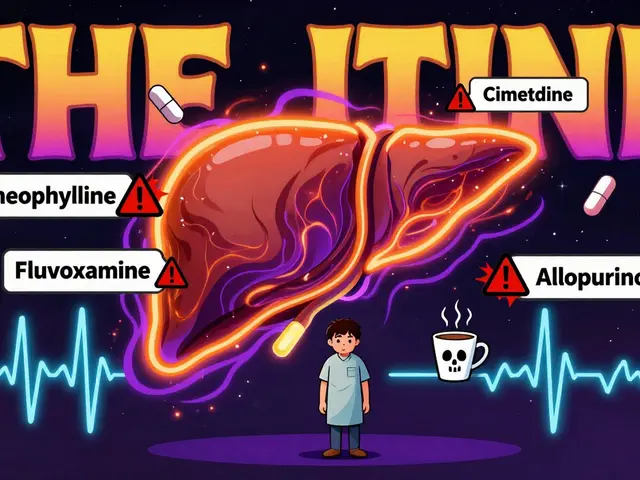
Take warfarin, a blood thinner used to prevent clots after heart surgery or for atrial fibrillation. If CBD slows its breakdown, your INR levels can spike, raising your risk of dangerous bleeding. Or consider cyclosporine, an immunosuppressant used after organ transplants. Studies show CBD can raise cyclosporine levels by up to 50%, which could lead to kidney damage. Even common meds like acetaminophen, a widely used pain reliever, may put extra strain on your liver when combined with CBD. These aren’t rare edge cases—they’re documented risks backed by clinical data. And it’s not just about prescription drugs. Over-the-counter sleep aids, allergy meds, and even some herbal supplements like St. John’s Wort can interact in unpredictable ways.
What makes this even trickier is that CBD products aren’t regulated the same way as pharmaceuticals. Two bottles labeled "10mg CBD" can have wildly different actual doses, or contain traces of THC, pesticides, or synthetic additives. That’s why people who think they’re being careful with their dosage might still be at risk. If you’re on any medication—especially ones with narrow therapeutic windows—don’t start CBD without talking to your doctor. Bring up the exact brand and dose you’re using. Ask if your meds are metabolized by the liver’s CYP450 system. And if your doctor isn’t familiar with CBD interactions, don’t be afraid to ask for a referral to a pharmacist who specializes in drug interactions.
Below, you’ll find real, practical guides that break down exactly how CBD interacts with specific medications—from immunosuppressants to antidepressants to heart drugs. These aren’t theoretical opinions. They’re based on patient reports, lab studies, and clinical guidelines. Whether you’re managing chronic pain, anxiety, or a transplant condition, knowing how CBD fits into your current regimen isn’t optional—it’s essential for your safety.
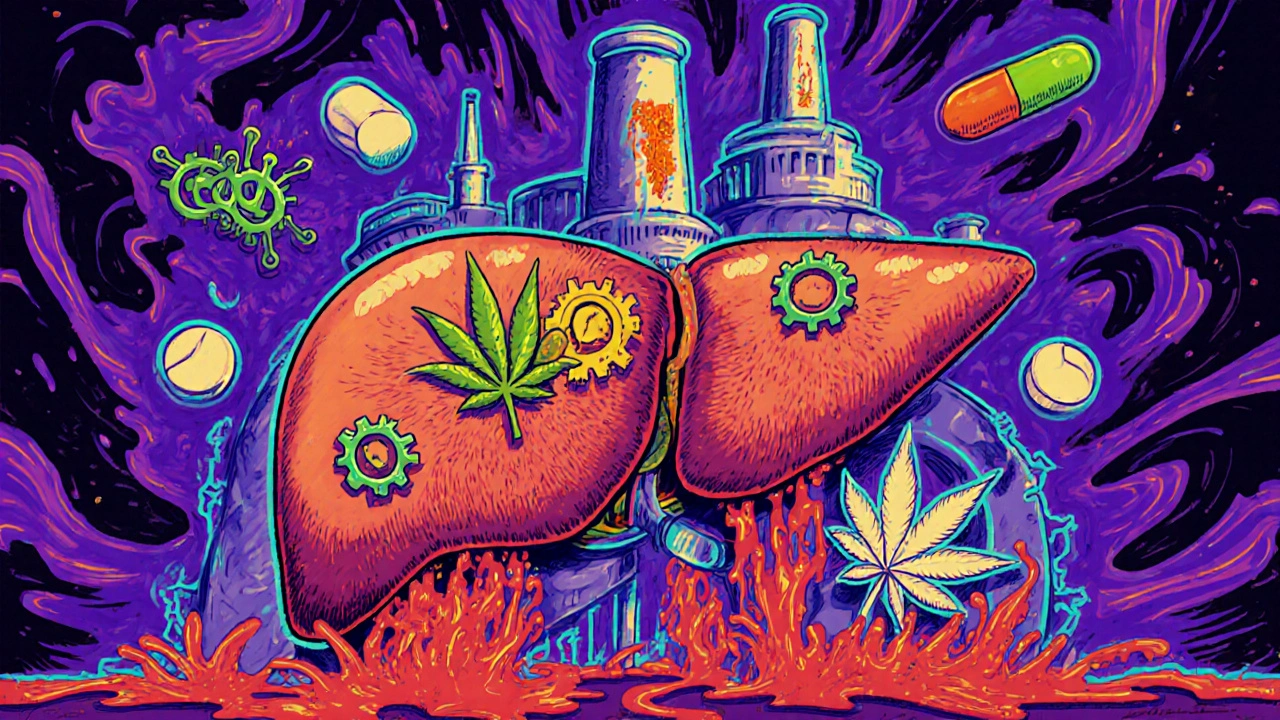
Cannabis can dangerously interact with common medications like blood thinners, seizure drugs, and painkillers. Learn which combinations are high-risk, how CBD and THC affect drug metabolism, and what steps to take to stay safe.
 11
11