

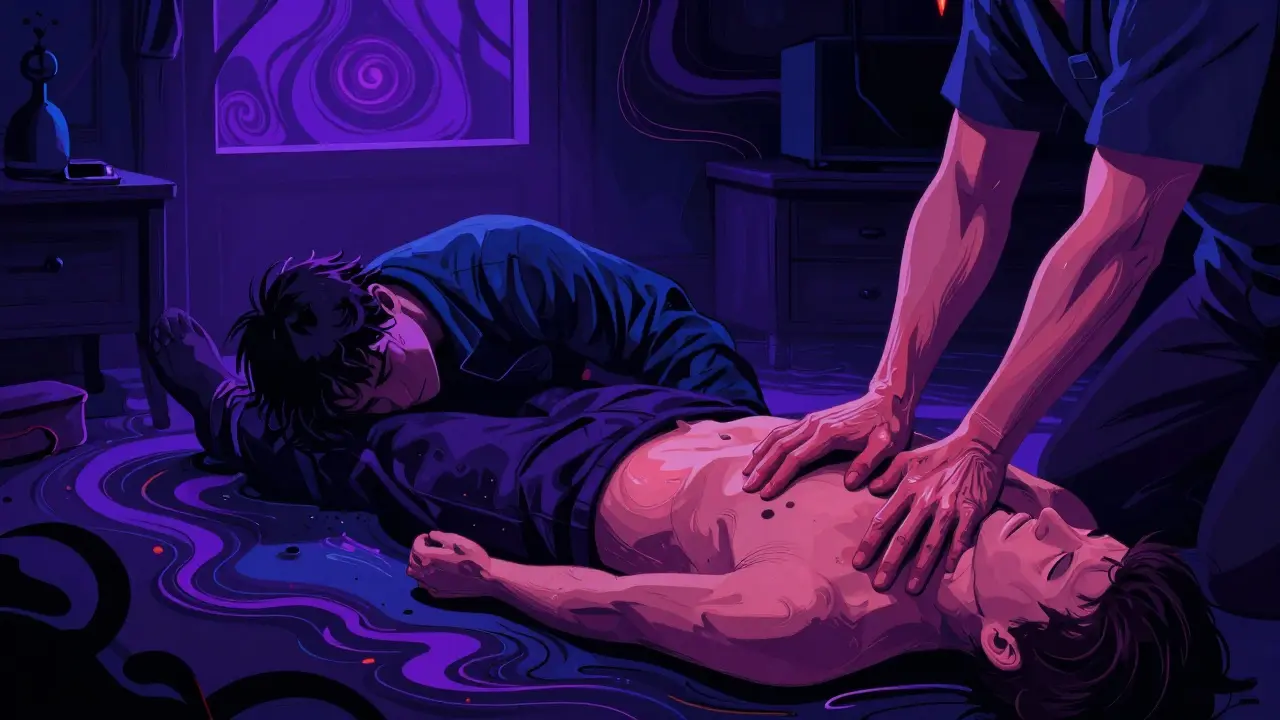
Imagine walking into a room and finding someone slumped over, barely breathing, and unresponsive to your voice. In that moment, panic is normal, but knowing how to use naloxone nasal spray is a life-saving intervention that can temporarily reverse an opioid overdose by blocking the drug's effects on the brain. Commonly known by the brand name Narcan, this medication doesn't cure addiction or treat long-term effects, but it buys critical time for emergency responders to arrive. If you've ever wondered if you could actually save a life with a simple nasal spray, the answer is yes-provided you know the exact steps to take when seconds count.
Quick Guide: Key Takeaways for Emergency Use
- Call 911 immediately before administering the dose.
- Check for breathing and responsiveness using a sternum rub.
- Insert the nozzle into one nostril and press the plunger firmly.
- Wait 2-3 minutes between doses; synthetic opioids like fentanyl often require multiple sprays.
- Use the recovery position to keep the airway clear once breathing resumes.
Recognizing the Signs of an Opioid Overdose
You can't help someone if you don't realize they are in trouble. An opioid overdose isn't always a dramatic collapse; sometimes it looks like a deep sleep that you just can't wake them from. Look for the "opioid triad": pinpoint pupils, slowed or absent breathing, and a loss of consciousness.
If someone is breathing fewer than 12 times per minute or their chest isn't moving for 15 seconds, they are in danger. Their skin might look blue or pale, especially around the lips and fingernails. To confirm they aren't just sleeping, try a "sternum rub": grind your knuckles hard into the center of their chest for 5 to 10 seconds. If they don't moan, move, or wake up, you need to act immediately.
Step-by-Step Instructions for Administering Naloxone
Using NARCAN Nasal Spray is designed to be intuitive so that anyone, even without medical training, can do it. The device is a single-use unit that requires no assembly. Follow these steps precisely to ensure the medication is delivered effectively.
- Call Emergency Services: Before you do anything else, call 911. Naloxone is a temporary fix; the opioids will eventually outlast the medication, and the person could stop breathing again once the naloxone wears off.
- Position the Person: Lay them on their back. Gently tilt their head back to open the airway and support the neck.
- Prepare the Device: Remove the spray from its packaging. Be careful not to press the plunger yet-if you activate it before it's in the nose, the dose is wasted and cannot be reused.
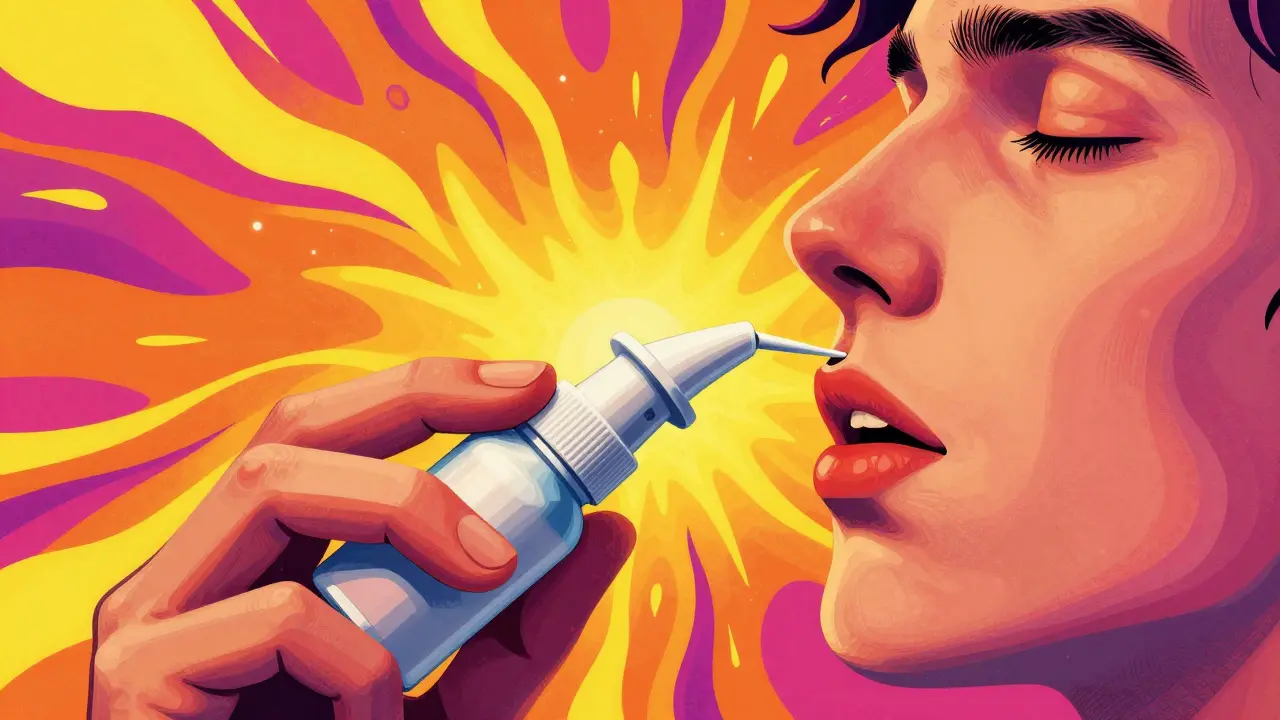
- Insert the Nozzle: Gently place the tip of the nozzle into one nostril. You should insert it until your fingers on either side of the nozzle touch the bottom of the person's nose (about 0.5 to 1 inch deep).
- Deliver the Dose: Press the plunger firmly. You must push it all the way down to ensure the full 4 mg dose (roughly 3.8 mg of naloxone hydrochloride) is delivered.
- Monitor the Response: Stay with the person. It typically takes 2 to 5 minutes for the medication to start working. Check if their breathing returns to a normal rate (12-20 breaths per minute).
- Repeat if Necessary: If they haven't woken up or started breathing normally after 2-3 minutes, use a second device in the other nostril. Because synthetic opioids like fentanyl are so potent, a significant number of overdoses require two or more doses to be successful.
| Action | Key Detail | Common Mistake to Avoid |
|---|---|---|
| Positioning | Back, head tilted | Leaving them on their stomach initially |
| Insertion | Fingers touch nose bottom | Not inserting deep enough |
| Activation | Press plunger fully | Partial press/incomplete dose |
| Timing | Wait 2-3 mins between doses | Giving second dose too quickly |
What Happens After the Medication Works?
When naloxone kicks in, the person might wake up suddenly. Be prepared-they may be confused, agitated, or even angry because they are suddenly thrust into acute withdrawal. They might not understand why they are being helped or where they are. Stay calm and keep them talking until paramedics arrive.
If the person starts breathing but is still unconscious, place them in the recovery position. This means rolling them onto their side with their top leg bent to stabilize them and their hand supporting their head. This prevents them from choking if they vomit, which is common during an opioid reversal.
It is vital to keep monitoring them for at least 4 hours. Naloxone typically lasts between 30 and 90 minutes. Since some high-potency opioids stay in the system longer than the naloxone, the person can slip back into an overdose state once the medication wears off. This is why professional medical observation is non-negotiable.
Critical Considerations and Pitfalls
One of the biggest misconceptions is that naloxone can cause harm if the person isn't actually overdosing on opioids. This is false. Naloxone is an antagonist that only binds to opioid receptors. If there are no opioids in the system, it does nothing. If the person is unconscious due to alcohol or a benzodiazepine, naloxone won't wake them up, but it won't hurt them either. When in doubt, give it.
Another danger is neglecting basic life support. While the spray is powerful, respiratory support is the most critical need. If you are trained in CPR, continue providing rescue breaths or chest compressions while waiting for the naloxone to take effect. A spray cannot replace the oxygen the brain needs if the heart has stopped or breathing is completely absent.

How to Maintain and Access Your Kit
Naloxone has a shelf life of about 24 months when stored at room temperature (between 20°C and 25°C). Avoid leaving your kit in a hot car or a freezing garage, as extreme temperatures can degrade the medication. If you use a dose, remember that the device is single-use. You must replace it immediately.
In the US, the FDA has approved the over-the-counter sale of naloxone, meaning you no longer need a prescription to carry it. Many community organizations and pharmacies provide kits and free training. If you are in a region with "Good Samaritan" laws, you are generally protected legally when administering this medication in good faith to save a life.
Does naloxone work on all types of opioids?
Yes, naloxone is effective against a wide range of opioids, including heroin, morphine, and synthetic opioids like fentanyl. However, because fentanyl is significantly more potent, you may need higher or repeated doses to successfully reverse the overdose.
Can I use naloxone if I'm not sure it's an opioid overdose?
Yes. Naloxone will not harm someone who has not taken opioids. If the unconsciousness is caused by something else (like a diabetic coma or alcohol poisoning), the naloxone simply won't work, but it won't make the situation worse. It is always safer to administer it than to hesitate.
How long does it take for naloxone to work?
The onset of action typically occurs within 2 to 5 minutes, with peak effects reached around 8 minutes. This is why you should monitor the person and be prepared to give a second dose if there is no response after 3 minutes.
What should I do if the person wakes up and refuses more help?
Try to convince them to stay and wait for emergency services. Explain that the naloxone is temporary and they could overdose again once it wears off. However, you cannot force an adult to accept medical care; the best you can do is explain the risks and stay with them until help arrives.
Is the nasal spray as effective as the injection?
The nasal spray is highly effective and is the preferred method for community use because it is easier and faster to administer in high-stress situations without needing to find a vein or use a needle.
Next Steps and Troubleshooting
If you are a bystander: Your priority is calling 911 and administering the spray. Once the person is breathing, keep them on their side. Do not try to "wake them up" by putting them in a cold shower or slapping them, as this can cause further injury or shock.
If you are a caregiver: Keep a naloxone kit in an accessible spot known to everyone in the house. Check the expiration date every six months and replace any used units immediately. Consider practicing with a training device (which contains no active drug) so the physical motion becomes second nature.
If the medication doesn't work: This can happen with extremely potent synthetic opioids like carfentanil. Continue performing rescue breathing or CPR and keep administering naloxone every 2-3 minutes if you have extra doses until professional medical help arrives. Never give up on rescue efforts before the paramedics take over.


Nikki Grote
April 16, 2026 AT 18:17The distinction between respiratory depression and complete apnea is crucial here. While naloxone is a potent opioid antagonist that competitively binds to the mu-opioid receptors to reverse the effects, it doesn't address the potential for hypoxic brain injury if the patient has been down too long. It is absolutely essential to emphasize that rescue breathing should be prioritized alongside the administration of the nasal spray to ensure cerebral perfusion is maintained until the drug takes effect.