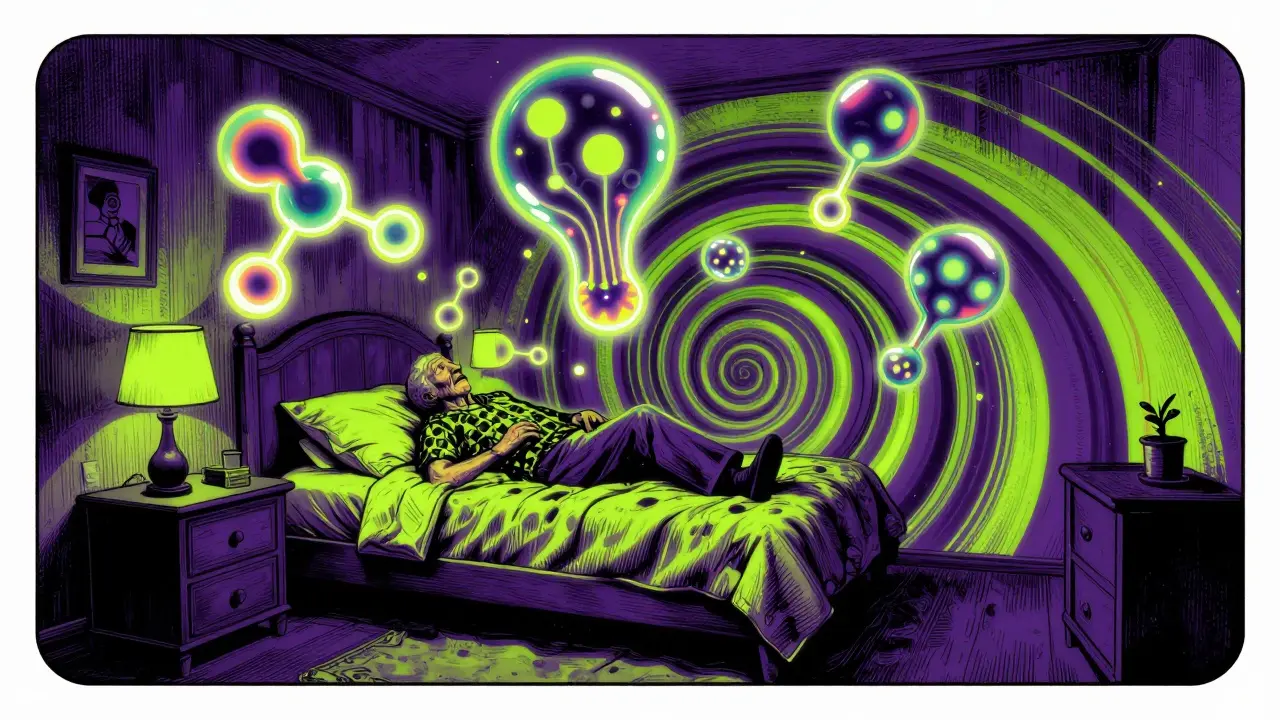
small obstacles like throw rugs, loose cords, or cluttered walkways. When you combine a safer medication profile with a safer environment, the odds of a serious injury drop dramatically.
No, only sedating (first-generation) ones are high-risk. Second-generation antihistamines like fexofenadine or loratadine are much safer because they don't cross the blood-brain barrier as easily, meaning they don't cause the same level of confusion or drowsiness.
Yes, it can be. Diphenhydramine (Benadryl) is strongly discouraged for insomnia in older adults because of its anticholinergic effects. It can lead to delirium, especially if you're hospitalized, and significantly increases the risk of falling during the night.
In older adults, the half-life of these drugs is extended. While peak sedation happens 1-3 hours after taking the pill, the effects can last 6-8 hours or even longer, meaning you might still be unsteady the next morning.
You should always consult your doctor first. They may suggest a gradual taper to avoid rebound insomnia. Combining this with sleep hygiene-like keeping a consistent wake time and avoiding caffeine after noon-helps make the transition easier.
Reducing the dose (e.g., 12.5mg instead of 25mg) and taking it in the evening can minimize daytime impairment, but switching to a non-sedating second-generation drug is still the safest recommendation for most people.
 0
0
Learn how to prevent accidental double-dosing of medications at home using pill organizers, digital tools, and smart routines to avoid dangerous overdoses.
0

Stop the 3 AM wake-up cycle. Learn why CBT-I is the gold standard for chronic insomnia compared to sleep medications and how to implement it for long-term relief.
2
Struggling with sleep while taking antidepressants? Learn why it happens, which meds cause insomnia, and practical tips to fix your sleep schedule.
0

Learn what happens when you switch from an originator biologic to a biosimilar, including clinical outcomes, the nocebo effect, and safety data for anti-TNF agents.
8

Learn how to use naloxone nasal spray to reverse an opioid overdose. A clear, step-by-step emergency guide to saving lives during an overdose crisis.
11

Learn how lot numbers and serial codes power track-and-trace systems to stop counterfeit drugs and ensure patient safety in the pharmaceutical supply chain.
10
Learn how to verify prescriber and pharmacy information on your medication labels to prevent dangerous errors and ensure your treatment is accurate and safe.
13

Learn about the safety of IBD medications during pregnancy. Compare anti-TNFs, 5-ASAs, and biologics to ensure a healthy pregnancy and baby.
12

Understand the difference between biosimilars and generics, how they impact medication costs, and if it's safe to switch your biologic therapy.
12